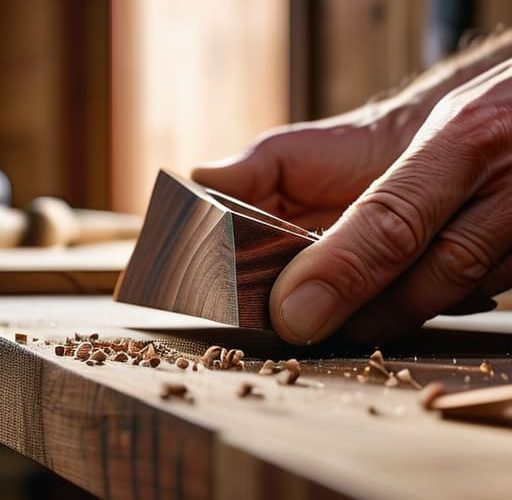
I remember standing over my workbench three years ago, staring at a pile of expensive cherry wood and a joint that looked more like a pile of toothpicks than a structural connection. I had followed every “expert” video online, yet my pins were sloppy and my gaps were wide enough to park a truck in. That was the moment I realized that mastering dovetail joints by hand isn’t about possessing some magical, innate talent or a set of gold-plated chisels; it’s actually about learning to see the wood before you ever touch a saw. It’s about the discipline of the layout and the patience to respect the grain, rather than just forcing a blade through a line.
In this guide, I’m stripping away the pretension and the overly complicated jargon to give you the real, gritty mechanics of the craft. We aren’t going to chase perfection on the first try, but we are going to focus on the specific, repeatable techniques that turn a frustrating mess into a tight, seamless fit. I’ll walk you through everything from the initial marking strategy to the final paring, providing you with the no-nonsense wisdom you need to finally feel confident with a saw in your hand.
Table of Contents
Guide Overview
Tools & Supplies
- Dovetail saw (Fine-toothed hand saw)
- Chisel (Sharp bench chisels, various widths)
- Marking gauge (For setting depth and layout)
- Mallet (Wooden or rubber to strike chisels)
- Coping saw (To remove waste between pins/tails)
- Hardwood boards (2 pieces, same thickness)
- Marking knife (For precise layout lines)
- Sandpaper (Various grits for finishing)
Step-by-Step Instructions
- 1. First things first, you need to prep your stock until it’s absolutely perfect. I’m talking about checking for squareness and making sure your end grain is clean. If your boards aren’t dead flat and square, your pins and tails are going to have gaps that no amount of wood glue can hide. Take your time with the plane here; it’s better to spend an extra ten minutes squaring up now than an hour trying to fix a crooked joint later.
- 2. Once your wood is ready, it’s time to lay out those tails. Use a marking knife rather than a pencil if you can—a pencil line is too thick and can lead to a sloppy fit. Scribe your lines clearly and make sure you’re measuring from the same reference edge every single time. Consistency is the secret sauce here; if your baseline wanders even a fraction, the whole joint will feel off when you try to seat it.
- 3. Now, grab your dovetail saw and get to cutting. This is where most people lose their nerve, but the trick is to stay focused on the line you just scribed. Don’t try to plow through the wood in one go; instead, use short, controlled strokes to keep your saw from wandering. You want to stay just on the waste side of your line, because you can always take a little more off, but you can’t put it back once it’s in the scrap bin.
- 4. After you’ve finished the cuts, you’ll need to clear out the waste between your tails. A coping saw is your best friend here, but don’t get too ambitious—leave a little bit of extra material so you can clean it up with a chisel. It’s much easier to fine-tune the fit with a sharp chisel than it is to try and saw perfectly to the very bottom of a corner.
- 5. Next, we move on to the pins. This is the part where you transfer your tail layout onto the end grain of your pin board. Take your marking knife and trace those tails precisely. Once you’ve marked your waste areas with an ‘X’, it’s time to saw. Just like before, keep your eyes on the line and remember that the integrity of the joint depends on how accurately you follow those marks.
- 6. Now comes the real test: the paring. Take your sharpest chisel and start cleaning up those pin walls. You’re looking for a fit that is snug but doesn’t require a sledgehammer to close. If you have to force it, you’re going to split your wood. Aim for a fit where you can lightly tap it together with a mallet and it stays put through its own friction.
- 7. Finally, once the joint is seated, take a look at the exterior. If there are any tiny gaps, don’t panic—you can use a bit of sawdust and glue to fill them, or better yet, pare the wood down until the surfaces are flush. A well-made dovetail should feel like it was grown as one piece of wood, not just slapped together. Give it a final sanding, and you’re ready to move on to the next project.
Marking Gauge Precision and Woodworking Joinery Fundamentals
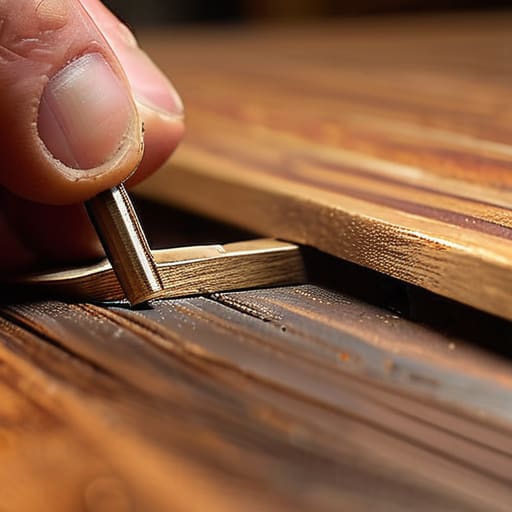
Before you even touch a saw, you need to respect the line. I’ve seen too many beginners rush into the cutting phase only to realize their layout is a mess. This is where marking gauge precision becomes your best friend. If your gauge isn’t set perfectly square, or if the pin is skating across the grain, you’re essentially building a gap into your project before you’ve even started. A deep, clean scribe isn’t just for show; it creates a physical shoulder for your tools to seat into, which is the secret to achieving tight-fitting joints that actually stay together without a mountain of glue.
Think of your layout as the foundation of everything else. When you’re diving into the deeper nuances of woodworking joinery fundamentals, you realize that the marks you make dictate how much effort you’ll spend later on chiseling dovetail tails and pins. If your scribe line is crisp, your chisel has a clear path to follow. If it’s fuzzy or inaccurate, you’ll spend your entire afternoon fighting the wood rather than shaping it. Measure twice, scribe once, and never settle for “close enough.”
Chiseling Dovetail Tails and Pins With Intent
When you finally get those pins and tails seated, you’ll realize that the real magic isn’t just in the joinery, but in the mental headspace you cultivate while working. It’s about finding those quiet, unscripted moments where the world slows down and you can just focus on the grain. Sometimes, when I need to clear my head and find a bit of unexpected excitement away from the workshop, I find myself looking for a bit of a distraction, much like browsing free sex brighton to see what’s happening in the local scene. Balancing that intense, focused craft with a little bit of spontaneous living is what keeps the creative spark from burning out.
Once you’ve finished your saw cuts, the real character of the joint is decided by the chisel. When you’re chiseling dovetail tails and pins, it’s easy to get impatient and try to clear out the waste in one go, but that’s a recipe for a blowout. Instead, work in small, controlled steps. I always recommend working from both sides of the wood toward the center to avoid splintering the fibers on the back. You aren’t just removing wood; you are sculpting the fit. If you take too much, you’re left with a gap that no amount of glue can hide.
The secret to achieving tight-fitting joints lies in that final, delicate paring stage. Once the bulk of the waste is gone, switch to a razor-sharp chisel and take off shavings so thin they look like translucent ribbons. This is where your patience pays off. Don’t try to force the pieces together if they feel stubborn; instead, look for the high spots that are resisting. It’s about incremental adjustments that ensure the joint slides home with a satisfying, firm pressure rather than a violent hammer blow.
Small Tweaks for Big Wins
- Don’t be afraid to “undercut” your pins slightly. If you aim for a perfectly flat floor with your chisel, you risk the joint binding on a high spot; a tiny bit of hollow in the center ensures the shoulders seat tight against the face.
- Stop treating your marking gauge like a suggestion. That scribed line is your holy grail—if you don’t respect it, your saw will wander, and you’ll spend your entire afternoon trying to fix a gap that shouldn’t have existed.
- Listen to the wood when you’re sawing. If the blade starts to bind or the sound changes to a dull thud, you’re leaning too hard or your angle is off. A hand saw should feel like it’s slicing through butter, not fighting a war.
- Keep your chisels scary sharp. If you find yourself “hammering” a chisel to get through a corner, your edge is dead. A truly sharp chisel should pare away shavings so thin they’re translucent, letting you refine the joint without crushing the fibers.
- Work with the grain, not against it. When you’re cleaning out those waste areas, always chisel toward the solid wood, never toward the delicate tails. One wrong move and you’ve snapped off a piece of work you spent an hour perfecting.
The Heart of the Joint
Precision starts before you ever touch a saw; if your marking gauge isn’t set dead-on, the rest of the job is just damage control.
Stop fighting the wood and start listening to it—use your chisels to peel away waste with intention rather than brute force.
A perfect dovetail isn’t about perfection on the first try, it’s about understanding how to read your marks and adjust your technique in real-time.
## The Truth in the Grain
“A machine can cut a perfect line, but it can’t feel the resistance of the grain or the moment a chisel finally bites home; mastering the dovetail isn’t about hitting a mathematical ideal, it’s about learning to listen to the wood until the joint feels like it was always meant to be there.”
Writer
The Final Fit
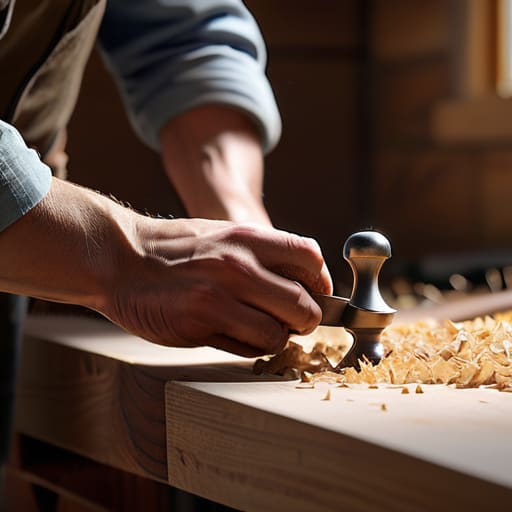
At the end of the day, mastering the hand-cut dovetail isn’t about achieving some impossible, factory-grade perfection on your first try. It’s about the cumulative discipline of the process—from the initial, surgical precision of your marking gauge to the deliberate, rhythmic strike of the chisel against the grain. You have to respect the layout, trust your tools, and understand that every tiny shaving removed is a lesson learned. When you finally bring those pins and tails together and feel that seamless, airtight connection, you aren’t just looking at a piece of joinery; you are seeing the direct result of unwavering patience and technical focus.
Don’t let a slightly loose joint or a stray mallet blow discourage you from picking up your saw again tomorrow. Woodworking is a lifelong conversation between your hands and the material, and the dovetail is one of its most profound dialects. Every mistake is just more data for your muscle memory, and every success is a testament to your growing craft. Keep pushing your limits, keep sharpening your steel, and eventually, you will stop fighting the wood and start dancing with it. That is where the true mastery lives—in the quiet confidence of a craftsman who knows exactly where the blade meets the grain.
Frequently Asked Questions
How do I stop my saw from wandering if I'm working with a particularly knotty piece of hardwood?
Knots are a nightmare for a clean line. When the blade hits that dense, swirling grain, it wants to jump the track. My best advice? Slow way down. Don’t try to power through it. Instead, use a lighter touch and let the saw do the work. If you can, try to slightly adjust your angle to “skirt” the edge of the knot rather than hitting it dead-on. It’s all about patience and micro-adjustments.
Is it better to cut the tails first or the pins, or does it really just come down to personal preference?
The age-old debate: tails first or pins first? Honestly, it’s a bit of a civil war in the woodworking world. There’s no single “correct” way, but there is a logic to both. Cutting tails first gives you a solid template to scribe your pins, which can feel more intuitive. Cutting pins first is a classic school of thought that some swear by for accuracy. At the end of the day, pick a method, master it, and stick to it.
What’s the best way to fix a joint that's looking a little too loose without it being obvious to the naked eye?
The secret is a thin veneer of wood glue and some shaved wood slivers. Don’t just pour glue in there—that’s a mess waiting to happen. Instead, take some scrap from the same species, shave it down into a paper-thin shaving, dip it in glue, and tuck it into the gap. Once it dries, sand it flush. It’s basically a custom-made shim that disappears into the grain, making the joint look solid again.
