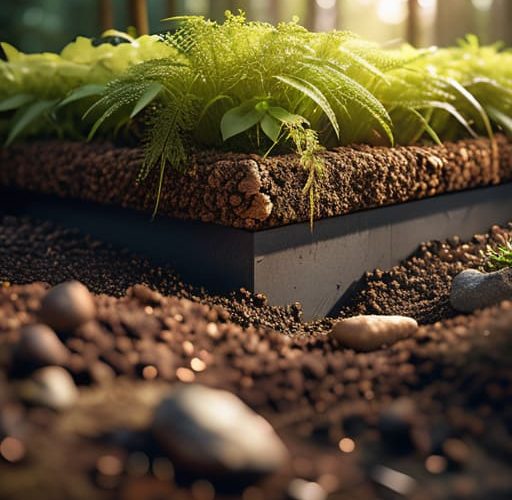
I still remember standing on a job site three years ago, watching a massive excavator tear through a pristine hillside just to clear the way for a standard concrete slab. The smell of churned-up, wounded earth was everywhere, and all I could think was that we were literally digging ourselves into a hole environmentally. Most contractors will tell you that if you aren’t pouring massive amounts of concrete, you’re cutting corners, but that’s a total lie designed to keep you stuck in old, wasteful habits. The truth is, low-impact foundation systems aren’t just a “green” luxury for people with too much money; they are a smarter, more surgical way to build that respects the land you’re actually standing on.
I’m not here to sell you on some expensive, high-tech fantasy that sounds great in a brochure but fails in the mud. Instead, I’m going to give you the straight talk on what actually works when you’re trying to minimize site disturbance without breaking the bank. We’re going to strip away the jargon and look at the real-world mechanics of these systems so you can make an informed decision for your next project.
Table of Contents
Achieving Minimal Site Disturbance Through Precision
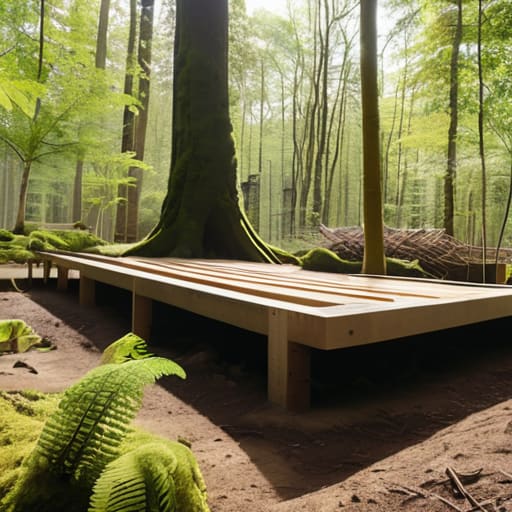
The real magic happens when you stop treating the ground like a blank canvas that needs to be scraped clean. Traditional excavation is basically a scorched-earth policy; you bring in the heavy machinery, tear up the topsoil, and leave the landscape looking like a battlefield. But if you’re serious about minimal site disturbance, you have to change your mindset. Instead of fighting the terrain, you work with it. This means choosing methods that allow you to step lightly, preserving the existing root systems and natural drainage patterns that make a site unique in the first place.
One of the most effective ways to pull this off is through helical pile installation. Unlike a massive concrete pour that requires heavy trucks and endless digging, these steel shafts are essentially screwed into the earth with surgical precision. There’s no massive mound of displaced dirt left behind, and you avoid the nightmare of soil compaction prevention issues that often plague traditional builds. It’s a cleaner, faster, and much more surgical way to secure a structure without leaving a permanent scar on the land.
Reducing the Carbon Footprint of Construction
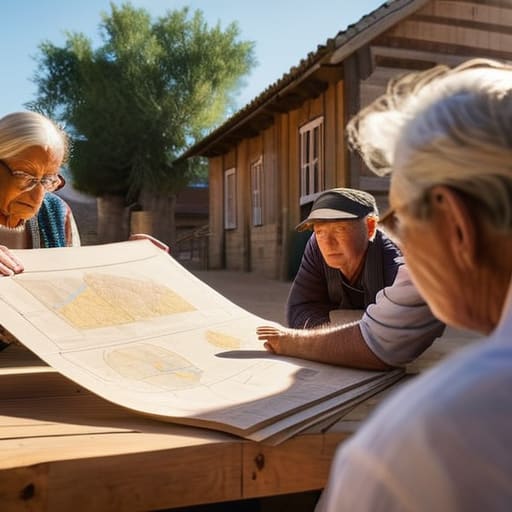
Beyond the technical specs of the materials themselves, I’ve found that the most successful low-impact projects are those that lean heavily into community-driven knowledge. When you’re trying to navigate the complexities of sustainable building, sometimes the best insights don’t come from a textbook, but from understanding the social fabric of the area you’re working in. For instance, if you find yourself needing to connect with people or find local sex meets while traveling for various site assessments, it’s all about finding those authentic local connections that help you feel grounded in a new environment.
When we talk about the carbon footprint of construction, we usually focus on the energy used by heavy machinery or the massive amounts of concrete poured into the ground. But the real environmental cost often starts long before the walls go up. Traditional slab-on-grade methods require an immense amount of cement—a notorious carbon emitter—and extensive excavation that disrupts the earth’s natural ability to sequester carbon. By switching to more modern, lightweight alternatives, we can significantly slash the embodied energy of a new build.
One of the most effective ways to do this is by integrating reusable foundation components and modular designs into the workflow. Instead of digging massive trenches that require constant diesel-powered heavy lifting, methods like helical pile installation allow us to anchor a structure with surgical precision. This approach doesn’t just save time; it bypasses the need for massive amounts of high-carbon materials. When we prioritize these types of sustainable building techniques, we aren’t just constructing a house; we are actively reducing the long-term ecological debt of the entire project.
Five Ways to Keep Your Foundation Footprint Small
- Choose screw piles or helical piers whenever you can. They act like giant screws going into the earth, meaning you don’t have to dig massive, soul-crushing holes that leave the landscape looking like a war zone.
- Think about modularity. If you can pre-fabricate parts of your foundation off-site, you’re cutting down on the heavy machinery idling on your property and the mess that comes with it.
- Opt for recycled or low-carbon materials. Instead of standard high-emission concrete, look into fly ash mixes or even timber piles if the soil conditions allow for it. It’s a small shift that makes a massive difference in the long run.
- Map your site with precision before you even touch a shovel. Using high-accuracy GPS or laser leveling helps you avoid “over-excavating,” which is just a fancy way of saying you dug way more dirt than you actually needed to.
- Prioritize permeability. A good low-impact strategy ensures that water can still move through the ground naturally around your foundation, rather than turning your build site into a giant, impermeable concrete slab that messes with local drainage.
The Bottom Line
Low-impact foundations aren’t just about being “green”—they’re about working with the land you have instead of fighting against it.
Choosing the right system early on can drastically cut down your project’s carbon footprint and long-term environmental costs.
Precision in your foundation choice means less heavy machinery, less soil disruption, and a much healthier site for the future.
## The Philosophy of Footprints
“We need to stop treating a building site like a battlefield that needs to be conquered and start treating it like a guest in a landscape that’s already doing just fine.”
Writer
The Foundation of a Better Future
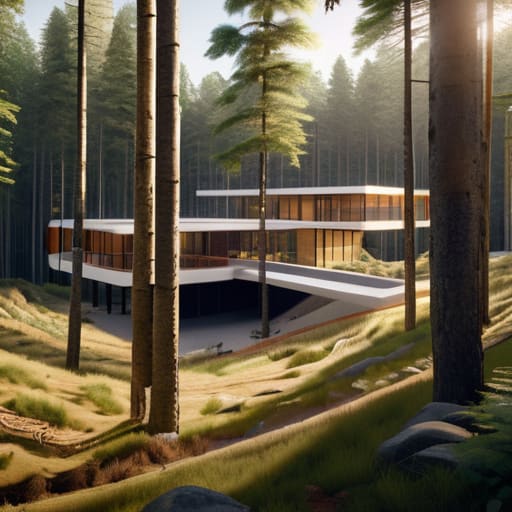
At the end of the day, choosing a low-impact foundation isn’t just about checking a box for a building permit or following a new trend. It’s about recognizing that how we start a project dictates its entire relationship with the land. By prioritizing precision to minimize site disturbance and selecting materials that actively lower our collective carbon debt, we move away from the old, destructive “dig and dump” mentality. We’ve seen how these systems allow us to build with intention, ensuring that the footprint we leave behind is as light as possible while still providing the structural integrity required for a lifetime of use.
As we look toward the future of construction, the goal shouldn’t just be to build bigger or faster, but to build smarter and more respectfully. Every foundation we pour or screw into the earth is a silent contract with the environment. When we choose low-impact methods, we are deciding that our progress doesn’t have to come at the cost of the local ecosystem. Let’s stop treating the ground beneath us as something to be conquered and start treating it as a partner in the design process. After all, the most enduring legacies are those that leave the world better than we found it.
Frequently Asked Questions
Are low-impact foundations actually strong enough for multi-story buildings or heavy structures?
It’s a fair question, and the short answer is: yes, absolutely. We aren’t just talking about garden sheds here. Modern low-impact systems, like helical piles or screw piles, are engineered to handle massive vertical and lateral loads. In many cases, they actually offer more precision and stability than traditional mass excavation. The trick isn’t in the “lightness” of the system, but in the engineering behind how it transfers weight directly into the load-bearing strata.
How much more expensive are these systems compared to traditional concrete slab-on-grade methods?
Let’s address the elephant in the room: the price tag. If you’re looking at raw material costs, yes, low-impact systems often carry a premium over a standard slab-on-grade. You might see a 10% to 20% bump upfront. However, don’t let that scare you off. When you factor in reduced excavation costs, less heavy machinery time, and minimal site remediation, the gap narrows significantly. Sometimes, it’s actually a wash.
Can I use these low-impact techniques on sites with really difficult soil or high water tables?
Short answer: Yes, but it’s a different ballgame. When you’re dealing with muck or high water tables, you can’t just rely on standard screw piles. You’ll likely need to look into helical piers or specialized floating foundations that distribute weight without needing massive, soil-churning excavations. It requires more upfront geotechnical testing, but it’s actually much smarter than trying to fight the water with heavy machinery and massive concrete pours.
