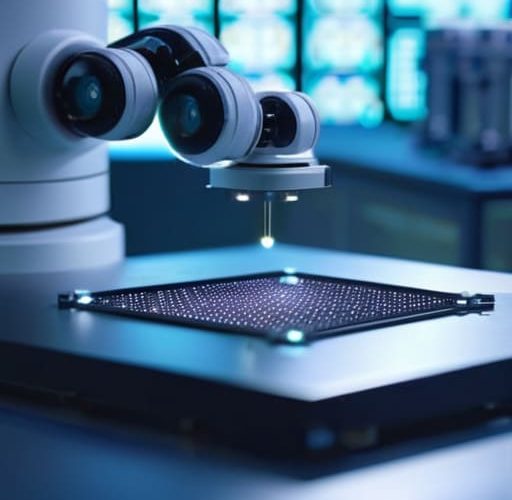
I was digging through a box of my old tech relics last weekend—you know, the kind of stuff that makes your thumb ache, like my trusty old rotary phone—when I realized how much we’ve moved from the mechanical to the molecular. Most people talk about the future of industry like it’s some far-off sci-fi movie, using massive, intimidating buzzwords to describe how nanotechnology is changing modern manufacturing processes. Honestly? It’s exhausting. The hype cycles often make it sound like we’re building tiny robots in a lab, but that’s just distracting noise that keeps people from seeing the real impact.
I’m not here to sell you on a futuristic fever dream or drown you in academic jargon. My goal is to pull back the curtain and show you the practical, human side of this shift. I want to explore how these microscopic advancements are actually making our physical world more resilient and connected, moving us past the era of “build it big” to an era of building it better. I promise to give you a straight-up, no-nonsense look at what this tech actually means for the things we create and the way we connect with the world around us.
Precision Engineering via Nanotechnology Building With Infinite Care
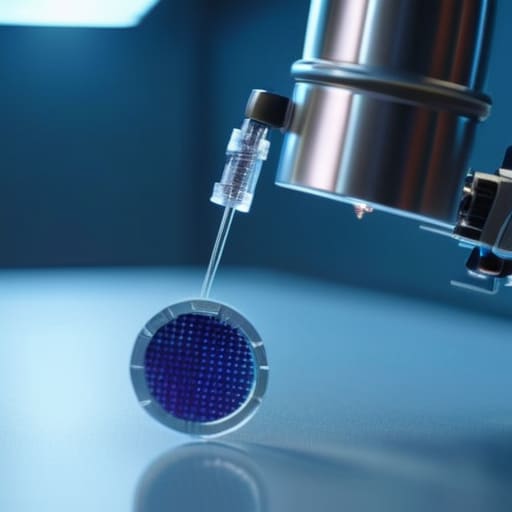
I remember sitting in my workshop as a kid, trying to fix old electronics with a soldering iron that felt like a clumsy club. You’d aim for a tiny connection, but the margin for error was massive. Fast forward to today, and we’ve traded that frustration for the surgical grace of precision engineering via nanotechnology. We aren’t just building things anymore; we are orchestrating them at a molecular level. It’s as if we’ve moved from painting with giant housebrushes to using individual grains of stardust to create something functional.
This shift is most breathtaking when you look at nanotechnology applications in additive manufacturing. In the old days of 3D printing, we were limited by the “chunkiness” of the material. But by integrating nano-scale particles, we can now print structures that are lighter, stronger, and more intricate than anything a traditional factory could dream of. It’s a level of unprecedented control that makes the manufacturing of the past look like playing with wooden blocks. We’re finally building with the kind of infinite care that our digital designs actually deserve.
Advanced Material Science in Manufacturing the New Digital Fabric

If you think about it, the materials we use every day are essentially the “hardware” of our physical reality. Back in the day, if I wanted to upgrade a device, I was limited by the physical properties of the plastic or metal available. But today, we’re seeing a massive shift through advanced material science in manufacturing. We aren’t just shaping existing substances anymore; we are designing them from the atom up. It’s a bit like moving from a grainy, low-res photo to a high-definition digital render—suddenly, the possibilities for strength, weight, and conductivity are virtually limitless.
This evolution is most visible when we look at nanomaterials in industrial production. We’re seeing the rise of substances that are incredibly lightweight yet stronger than steel, or polymers that can actually “sense” their environment. This isn’t just about making things better; it’s about creating a smarter, more responsive physical world. It reminds me of the transition from those clunky, heavy rotary phones to the sleek, hyper-connected smartphones we carry now. We are essentially rewriting the code of the physical objects that connect our lives.
Small Scale, Big Impact: 5 Ways to Navigate the Nanotech Revolution
- Embrace the shift from “bulk” to “atom-by-atom” thinking. In the old days, manufacturing was about moving heavy parts; now, it’s about precision. Start viewing your production goals through the lens of molecular accuracy rather than just sheer volume.
- Invest in digital-physical integration. Just like how I used to tinker with early internet forums to connect people, nanotechnology connects digital blueprints to physical reality at an incredible level. Make sure your software tools are capable of handling the complex data that nano-scale design requires.
- Prioritize sustainable material sourcing. One of the coolest things about nano-manufacturing is how it can reduce waste by using less material more effectively. Look for ways to use these “tiny architects” to create stronger products with a much smaller environmental footprint.
- Stay curious about hybrid manufacturing. We aren’t throwing away the old tools entirely—it’s more like adding a high-tech upgrade to a classic rotary phone. The real magic happens when you combine traditional manufacturing methods with nano-enhanced materials to get the best of both worlds.
- Focus on the “human” side of the tech. As we move toward these hyper-efficient processes, don’t lose sight of the end user. Ask yourself: how will these incredibly precise, nano-engineered products actually improve the way people live and connect in their daily lives?
The Tiny Revolution and the Big Picture

As we’ve explored, nanotechnology isn’t just a buzzword; it’s a fundamental shift in how we conceive of the physical world. By moving from the macro-scale to the atomic level, we are seeing a revolution where precision engineering meets a new kind of material intelligence. We’ve seen how these microscopic architects allow us to build with unprecedented accuracy and how advanced material science is essentially weaving a new digital fabric into the very objects we touch every day. It’s a transition from simply shaping matter to orchestrating it at its most basic level, turning what used to be rigid manufacturing constraints into a playground of endless possibilities.
Looking at these advancements makes me think of my old rotary phone sitting on my desk—a beautiful, heavy piece of hardware that was limited by the physical mechanics of its time. Today, we are entering an era where the line between digital design and physical reality is becoming beautifully blurred. I truly believe that as we continue to master these tiny building blocks, we aren’t just making better products; we are redefining the limits of human ingenuity. Let’s embrace this microscopic frontier with a sense of wonder, using these tools to build a more efficient, more connected, and extraordinarily tangible future together.
As we dive deeper into how these microscopic shifts are reshaping our physical world, I often find myself reflecting on how the most profound changes happen when we lean into the nuances of connection. Just as nanotechnology allows us to fine-tune the very atoms of a product, understanding the subtle, unscripted ways we interact—whether through a high-tech interface or a bit of dirty chat—can completely redefine our sense of intimacy and presence. It’s all about that delicate calibration between the tools we use and the raw, human energy we pour into them.