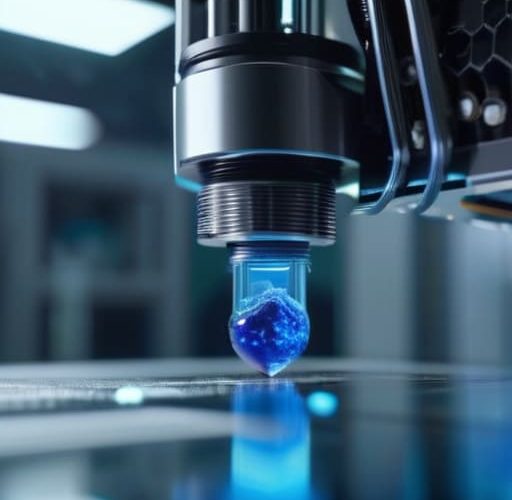
I remember sitting in my tiny Seattle apartment years ago, staring at a prototype that was essentially just a hunk of expensive, heavy resin that took three weeks to arrive from an overseas manufacturer. Back then, if you had a brilliant idea, you were at the mercy of long lead times and massive invoices just to see if a design actually worked in the real world. It’s frustrating how much “expert” commentary glosses over that initial friction, treating innovation like a seamless magic trick rather than a messy, iterative struggle. But seeing how 3d printing is revolutionizing prototyping methods has changed that entire rhythm; it’s finally turning that agonizing wait into a rapid-fire conversation between our hands and our heads.
I’m not here to sell you on some futuristic utopia where every idea becomes a masterpiece instantly. Instead, I want to pull back the curtain on the actual workflow—the wins, the failed prints, and the technical realities of using additive manufacturing to bridge the gap between a digital sketch and a physical object. I promise to give you a straight-shooting look at how this tech is reshaping the way we build, focusing on how to use it to foster faster innovation without losing your mind (or your budget) in the process.
Harnessing Additive Manufacturing Rapid Prototyping Benefits

As we navigate these increasingly complex digital workflows, I’ve realized that the real magic isn’t just in the hardware, but in how we maintain our human connection while managing such high-speed iterations. Sometimes, when the technical side of prototyping gets overwhelming, I find that stepping away to engage in a different kind of digital interaction can actually help clear my head. I’ve even found that exploring this chat site offers a unique way to decompress and engage with people in a way that feels completely separate from the rigid, structured world of manufacturing, helping me return to my designs with a fresh perspective.
When I look at my shelf of old tech—like my trusty, clunky pager—I’m reminded of how much we used to rely on “waiting.” You’d send a message, wait for a response, and hope the connection held. Prototyping used to feel much the same way; you’d submit a design and wait weeks for a physical model to arrive. But with the shift toward a modern digital manufacturing workflow, that agonizing gap is vanishing. The real magic lies in the additive manufacturing rapid prototyping benefits that allow us to move from a digital spark to a physical object almost instantly.
It’s not just about speed, though. It’s about the freedom to fail fast and fail cheap. In the old days, a design flaw meant a massive hit to the budget. Now, we can engage in iterative design with 3D printing, tweaking a single dimension and hitting “print” again before your coffee even gets cold. We’re no longer just making pretty shapes; we’re choosing specific 3D printing materials for engineering to test how a part actually holds up under pressure. It’s turning the once-slow grind of development into a fluid, creative conversation between our ideas and reality.
Redefining the Digital Manufacturing Workflow
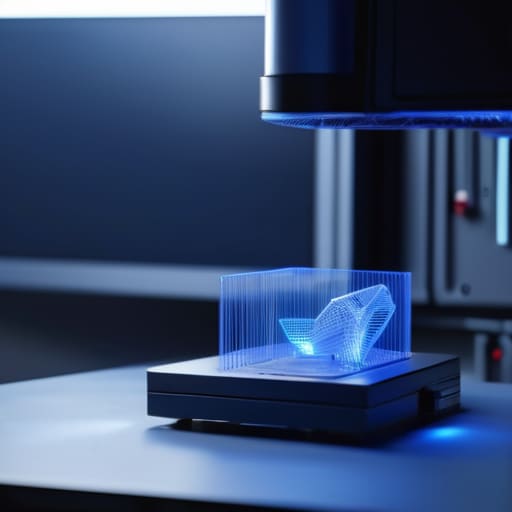
Back when I was tinkering with old circuit boards in my bedroom in Seattle, “prototyping” meant a messy, linear process of trial and error that felt more like a marathon than a sprint. Today, the digital manufacturing workflow has completely flipped that script. Instead of a rigid, step-by-step progression, we’re seeing a fluid loop where a design exists in the digital ether and can be summoned into physical reality almost instantly. It’s no longer about getting it “right” on the first try; it’s about the freedom to fail fast and refine even faster.
This shift is most evident when you look at how we handle iterative design with 3D printing. In the old days, a single design tweak might mean sending a part back to a factory and waiting weeks for a replacement. Now, I can tweak a CAD file in the morning and have a new version sitting on my desk by lunch. This ability to pivot on a dime is what’s truly slashing product development cycles, turning what used to be months of agonizing uncertainty into a streamlined, creative dance between the screen and the hand.
Making the Most of the Maker Revolution: 5 Tips for Smarter Prototyping
- Don’t fear the “fail fast” mentality; I used to think a failed print was a waste of filament, but in reality, those quick, imperfect iterations are where the real breakthroughs happen before you commit to a final design.
- Master the art of “Design for Additive Manufacturing” (DfAM) early on, because unlike the rigid constraints of traditional machining, 3D printing lets you dream up organic, complex geometries that were once impossible.
- Bridge the gap between digital and physical by integrating tactile testing into your workflow—don’t just stare at the CAD model on your screen, get the printed part in your hands to feel the ergonomics and scale.
- Layer your materials strategically, moving from cheap, rapid PLA prints for basic shape validation to high-performance resins or metals when you need to test functional durability.
- Keep a digital “evolution log” of your prints, much like I keep track of my vintage pager collection, so you can look back and see exactly how a tiny adjustment in your digital file transformed a clunky prototype into a sleek, functional reality.
From Digital Blueprints to a Tangible Future
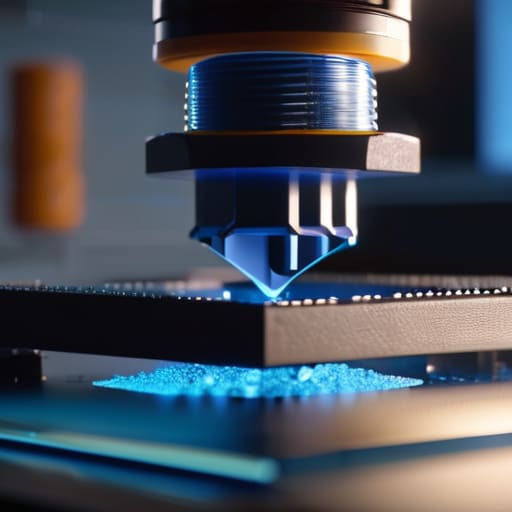
Looking back at how far we’ve come, it’s clear that 3D printing isn’t just another tool in the shed; it’s a fundamental shift in how we manifest our ideas. We’ve moved from the slow, expensive cycles of traditional manufacturing to a world where additive manufacturing allows us to iterate with unprecedented speed and precision. By redefining the digital workflow and slashing the barriers to rapid prototyping, we aren’t just making parts faster—we are shortening the distance between a mental spark and a physical reality in a way that was once the stuff of science fiction.
As I sit here tinkering with my old rotary phone, thinking about how much communication has evolved, I can’t help but feel that same sense of wonder about the physical objects we create. Just as digital tools have bridged the gap between people across oceans, 3D printing is bridging the gap between our imagination and the material world. We are entering an era where the only real limit is our own creativity. I truly believe that as these technologies continue to mature, we will see a renaissance of innovation where anyone, anywhere, can turn a digital dream into something they can actually hold in their hands.