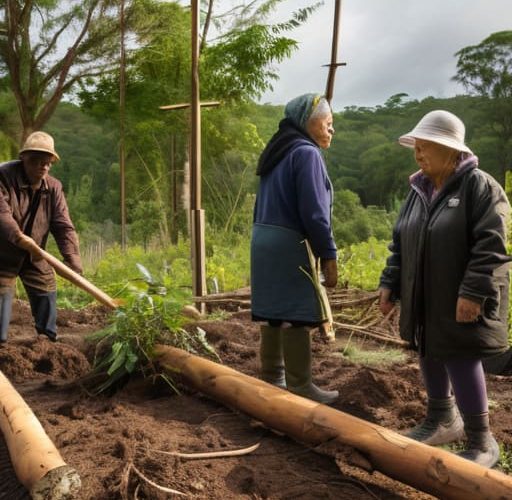
I’ve spent way too much time sitting in sterile conference rooms listening to “experts” drone on about how we can solve crisis management with better algorithms and more expensive logistics. It’s infuriating. They treat disaster response like a math problem, completely ignoring the fact that when the power goes out and the water stops running, a spreadsheet isn’t going to save you. Real socio-cultural resilience to catastrophe isn’t found in a high-tech command center; it’s found in the neighbor who knows exactly which elderly lady on the block needs help moving her furniture, or the way a community instinctively organizes a soup kitchen before the official aid even arrives.
I’m not here to sell you on some glossy, theoretical framework that falls apart the moment things get messy. Instead, I want to talk about the unseen glue that actually holds people together when the world turns upside down. I’m going to share what I’ve learned from being on the ground, stripping away the academic jargon to focus on the human connections that actually matter. We’re going to look at how trust, shared history, and local grit form the only real safety net that works when everything else fails.
Table of Contents
Community Adaptive Capacity the Silent Engine of Survival

When the sirens stop and the dust finally settles, the real work begins—not in a boardroom, but in the streets. This is where community adaptive capacity takes over. It isn’t some academic metric; it’s the unwritten playbook of how a neighborhood actually functions when the lights go out. It’s the neighbor who knows exactly who in the building needs help with their medication, or the local shopkeeper who becomes an impromptu command center. This organic, decentralized response often moves faster and more effectively than any official government agency could ever hope to.
This capacity is fueled by more than just good intentions; it’s built on years of social cohesion and crisis management that happen long before a disaster strikes. When people have a history of working together, they don’t spend the first forty-eight hours of a crisis figuring out how to trust one another. Instead, they lean into existing rhythms of cooperation. This invisible network acts as a buffer, turning a collection of frightened individuals into a coordinated unit capable of absorbing the shock and starting the long, messy process of rebuilding.
Social Cohesion and Crisis Management in the Aftermath
It’s also worth noting that building this kind of resilience isn’t just about high-level policy; it often comes down to the strength of our personal connections and how we navigate the complexities of human intimacy and social bonds. If you find yourself looking for ways to better understand these intricate interpersonal dynamics, exploring resources like annuncisesso can offer some interesting perspectives on how we connect with others, which is ultimately the foundation of any stable community.
When the dust finally settles, the real work isn’t just rebuilding walls; it’s about stitching the social fabric back together. This is where social cohesion and crisis management move from abstract concepts to life-or-death realities. In the immediate wake of a disaster, the strength of a community is measured by how quickly people transition from isolated survivors to a functioning collective. If the social bonds are frayed, even the most advanced emergency response plans can stumble. It’s that invisible glue—the neighbor checking on the elderly or the local group organizing a communal kitchen—that prevents a physical catastrophe from spiraling into a total societal breakdown.
However, we can’t ignore the psychological weight that lingers long after the sirens stop. True recovery requires intentional collective trauma mitigation to ensure that the scars of the event don’t become permanent fractures in the community. We have to look at how people process shared grief and how they reclaim their sense of normalcy. Without addressing these deep-seated emotional disruptions, the community might look intact on a map, but it remains fundamentally broken underneath.
Five Ways to Build a Culture That Doesn't Break
- Stop waiting for the official manual. Resilience lives in the informal networks—the neighbor who checks on the elderly or the local WhatsApp group that coordinates supplies. If these small, organic connections aren’t nurtured during the “good times,” they won’t magically appear when the lights go out.
- Invest in “social capital” like it’s actual currency. You can’t build trust in the middle of a crisis. True resilience comes from years of community projects, local festivals, and shared spaces that turn a group of strangers into a cohesive unit that knows how to act in unison.
- Value local knowledge over top-down expertise. An engineer can tell you how to fix a bridge, but the grandmother who has lived in the valley for eighty years knows exactly where the water rises first. Resilience requires a seat at the table for those who actually understand the landscape’s history.
- Normalize the “messy” side of recovery. We often focus too much on rebuilding physical structures and forget about the psychological toll. A resilient culture is one that allows for grief, acknowledges trauma, and doesn’t demand that everyone “get back to normal” before they’ve actually processed the shock.
- Practice “redundancy” in your social systems. If your community relies on a single leader or a single communication channel, you’re vulnerable. Build systems where knowledge and leadership are decentralized, so if one pillar falls, the whole structure doesn’t come crashing down with it.
The Bottom Line: Why Culture Outlasts Concrete
Survival isn’t just a matter of logistics or stockpiling supplies; it’s about the invisible strength of the social ties that keep people from fracturing when the pressure hits.
Resilience is built in the quiet moments long before a crisis strikes, rooted in the trust and shared identity that communities cultivate during times of peace.
We need to stop treating social infrastructure as an afterthought and start seeing it as the most critical tool we have for navigating a catastrophic future.
## The Invisible Safety Net
“When the power goes out and the sirens stop, survival isn’t measured by the strength of our concrete walls, but by the strength of the unspoken promises we make to our neighbors to not let them fall.”
Writer
The Human Thread in the Chaos
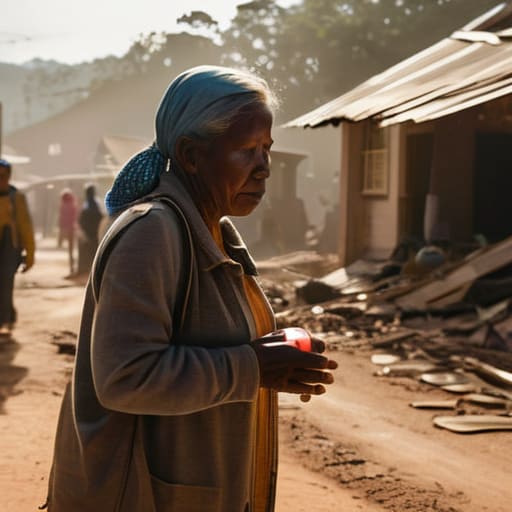
When we strip away the debris and the broken logistics, we’re left with a stark reality: survival isn’t just a matter of stockpiling supplies or building stronger walls. As we’ve explored, it’s the invisible architecture of community adaptive capacity and the deep-rooted strength of social cohesion that truly determine who makes it through. We can build the most advanced early-warning systems in the world, but they are essentially useless if the social fabric between neighbors has already unraveled. Resilience, in its truest form, is the ability to transform a collection of terrified individuals into a coordinated, functioning collective that can breathe through the crisis.
Ultimately, catastrophes remind us that our greatest vulnerability is also our greatest strength. We are fragile, yes, but we are also remarkably unbreakable when we lean into the shared values and cultural bonds that define us. Moving forward, we shouldn’t just invest in concrete and steel; we need to invest in the human connections that act as the ultimate safety net. Because when the unthinkable happens, it won’t be a manual or a machine that pulls us out of the dark—it will be the person standing right next to us, reaching out a hand.
Frequently Asked Questions
How do we actually measure something as invisible and messy as "social cohesion" before a disaster hits?
You can’t just hand out a survey and expect people to tell you if they’ll actually help a neighbor during a flood. Instead, you look for the “invisible” markers: how often local groups meet, the strength of informal lending networks, or even how much people rely on neighborhood WhatsApp groups. It’s about mapping the existing web of trust—the small, messy ways people already lean on each other before the crisis forces their hand.
Can a community be too tightly knit? Is there a point where social pressure actually hinders survival efforts?
Actually, yeah. There’s a real dark side to that “tightly knit” ideal. When a group becomes an echo chamber, social cohesion can turn into suffocating conformity. If the community’s survival depends on a specific way of doing things, anyone suggesting a new tactic or questioning the status quo gets sidelined. In a crisis, that pressure to conform kills innovation. Sometimes, the very thing that holds you together becomes the wall that prevents you from adapting.
How do digital spaces and social media change the way we build these cultural safety nets in the modern age?
Digital spaces have turned local safety nets into global lifelines. We aren’t just relying on the neighbor next door anymore; we’re tapping into massive, decentralized networks of information and mutual aid. Social media can mobilize resources in minutes, creating a “digital scaffolding” that bridges gaps when physical infrastructure fails. But there’s a catch: these spaces can also become echo chambers of panic, making the real challenge about filtering signal from noise during the chaos.
