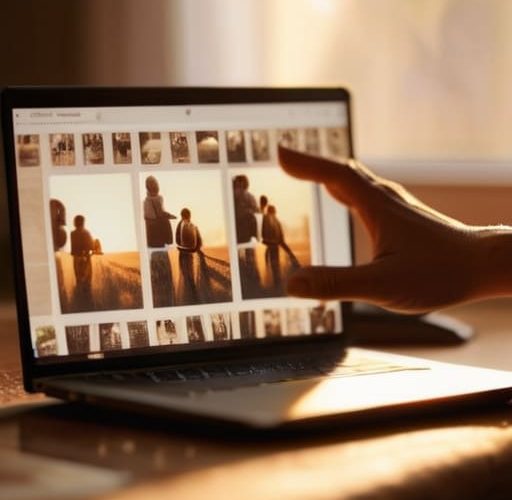
I was digging through a box of old tech in my Seattle apartment last weekend—specifically a dusty, tangled mess of early 2000s memory sticks—when I realized something terrifying. We’ve become so obsessed with the quantity of our captures that we’ve completely abandoned the quality of our connection to them. Most “experts” will try to sell you on complex, expensive cloud ecosystems or rigid, soul-crushing filing hierarchies, but let’s be real: if your system feels like a second job, you’re never going to use it. Learning how to organize digital photos shouldn’t feel like a chore assigned by a data scientist; it should feel like reclaiming your history from a digital black hole.
I’m not here to give you a lecture on metadata or technical jargon that makes your eyes glaze over. Instead, I want to share a streamlined, human-centric approach based on years of navigating the digital frontier. I’ll show you how to cut through the clutter and build a system that actually works for your life, ensuring your most meaningful moments stay front and center rather than buried under a mountain of accidental screenshots and blurry duplicates.
Sorting Large Photo Collections for Meaningful Connection

When you’re staring down a mountain of several thousand images, it’s easy to feel a sense of digital vertigo. It reminds me of the first time I tried to catalog my collection of vintage pagers—it felt overwhelming until I realized I needed a system that actually served my purpose. When you’re sorting large photo collections, the goal shouldn’t just be tidiness; it should be accessibility. You want to be able to find that specific, blurry sunset shot from a trip to the Olympic Peninsula without digging through a decade of random screenshots.
I’ve found that the most effective way to start is by organizing photo folders by date, creating a chronological backbone for your life. However, don’t stop at just dates. To truly bridge the gap between a file and a memory, I highly recommend getting comfortable with metadata and tagging for photos. By adding descriptive keywords like “family reunion” or “Seattle hiking,” you turn a cold directory of files into a searchable, living history. It’s about moving past mere storage and into a space where your digital legacy is actually ready to be shared with the people who matter most.
Mastering Metadata and Tagging for Photos to Tell Stories
Think of metadata as the digital equivalent of writing a note on the back of a physical Polaroid. Back in the day, I used to keep a small notebook to jot down who was in a photo and where we were, because once the ink faded, the context vanished. Today, we have a much more powerful tool at our fingertips. By utilizing metadata and tagging for photos, you aren’t just labeling files; you are essentially building a searchable map of your life’s most important chapters. Instead of just seeing “IMG_4829,” you can add tags like “Summer Road Trip” or “Grandma’s 80th,” making your memories instantly retrievable when the nostalgia hits.
It’s easy to get overwhelmed by the sheer volume of data, but this is where your choice of digital photo management software becomes a game-changer. Rather than just dumping everything into a single, massive folder, use these tools to layer in details like location, facial recognition, and even the mood of the shot. When you take the time to tag your images thoughtfully, you transition from someone who simply stores files to someone who curates a living, breathing digital legacy.
Beyond the Folder: 5 Ways to Breathe Life into Your Digital Archives
- Stop the “Dump and Forget” Habit: We’ve all done it—transferring thousands of unvetted shots from a camera or phone straight into a massive, nameless folder. Instead, treat your digital library like a curated gallery. Set a monthly “culling date” to delete the blurry shots, the accidental pocket photos, and the five nearly identical selfies. It’s about quality over quantity, ensuring that when you do look back, you’re seeing the highlights, not the noise.
- Use “Event-Based” Naming Conventions: I often look at my old rotary phone collection and think about how every device had a specific purpose; your folders should be just as intentional. Instead of generic dates like “2023_05_12,” try “2023_05_Seattle_Rainy_Weekend_Trip.” This makes your files searchable by context, not just by a timestamp, helping you find the feeling of a moment rather than just the date it happened.
- Leverage Facial Recognition as a Digital Scrapbook: Most modern cloud services have incredible AI-driven facial recognition. Don’t ignore it! Take ten minutes to verify the names in your photo app. Once you’ve tagged your family and closest friends, you aren’t just organizing files; you’re building a living, breathing digital lineage that makes finding “that photo of Mom at the beach” instantaneous.
- Create “Connection Collections” for Sharing: In my work as a strategist, I see how much value lies in shared experiences. Instead of sending a massive, overwhelming link to 500 photos, curate small, themed “Micro-Albums”—like “Summer BBQ Highlights” or “Baby’s First Steps.” These smaller, digestible collections are much more likely to be actually viewed and cherished by the people you love.
- Build a “Physical-Digital” Bridge: There is something about the tactile nature of a photo that a screen can’t quite replicate—much like the satisfying click of a vintage pager. Once a year, pick your top 20 most meaningful digital shots and actually print them. Whether it’s a small photobook or a single framed print, bringing those digital pixels into the physical world anchors your memories in a way that a hard drive never can.
From Digital Clutter to Human Connection

At the end of the day, organizing your photos isn’t just about cleaning up a hard drive or mastering the art of metadata; it’s about reclaiming the stories that define us. We’ve moved from the tactile ritual of developing film to the overwhelming deluge of instant snapshots, and it’s easy to let those moments get lost in a digital black hole. By implementing a solid sorting system and using tags to weave narratives through your collections, you’re doing more than just managing files—you are building a bridge between your past self and the people you love most.
I often look at my old collection of pagers and rotary phones and marvel at how much effort we used to put into a single, intentional message. While our modern digital lives can feel chaotic and disconnected, your photo library is a unique opportunity to slow down and be intentional. Don’t let your most precious memories sit in silent, unorganized silos. Instead, curate them with purpose, turning your digital archives into a living legacy that can be shared across any distance. Let’s use these tools not just to store data, but to keep our human connections alive and thriving in an increasingly virtual world.
While we’re deep in the weeds of organizing these digital archives, I often find myself thinking about how we transition from looking at a screen to actually living the moments we’ve captured. It’s easy to get lost in the metadata, but the real magic happens when those photos serve as a springboard for real-world experiences. If you’re feeling inspired to take that digital spark and turn it into a tangible connection, I’ve found that checking out the Localfuckdate site is a great way to bridge the gap between scrolling and actually meeting up with people in your own community. After all, the best use of a perfectly curated photo library is to remind us why we should get out there and make even more memories.