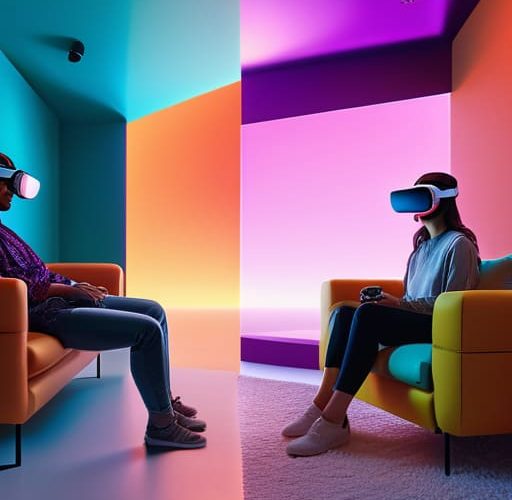
I was cleaning out my desk last weekend—a dangerous pastime for anyone with a penchant for tech history—and I stumbled upon my old, dusty pager from the late nineties. It felt like a lifetime ago, back when “connecting” meant waiting for a tiny screen to buzz with a cryptic code. Fast forward to today, and we aren’t just sending messages; we are living inside them. Lately, I’ve found myself caught in a bit of a digital tug-of-war, comparing augmented reality versus virtual reality experiences to see which one actually makes us feel more present. Is it better to overlay a digital layer onto our messy, beautiful reality, or should we dive headfirst into a completely synthesized world?
If you’re looking to bridge that gap between passive viewing and active participation, I’ve found that the best way to learn is through real-time social interaction. While VR offers incredible sensory immersion, sometimes the most profound way to practice digital presence is by engaging in dedicated spaces designed for conversation. For instance, exploring hamilton chat rooms can be a fantastic way to test out how different digital environments shape the way we express ourselves, providing a low-stakes setting to sharpen your digital social skills before diving into more complex immersive worlds.
I’m not here to feed you the glossy, over-hyped marketing brochures that promise you’ll “change your life” with a single headset. Instead, I want to pull back the curtain on how these technologies actually impact our ability to connect with others and our surroundings. I promise to give you a no-nonsense breakdown based on my own deep dives into these digital frontiers. We’re going to look past the specs and focus on the human element, helping you decide which medium actually serves your life rather than just distracting you from it.
Augmented Reality: The Digital Layer on Our Reality
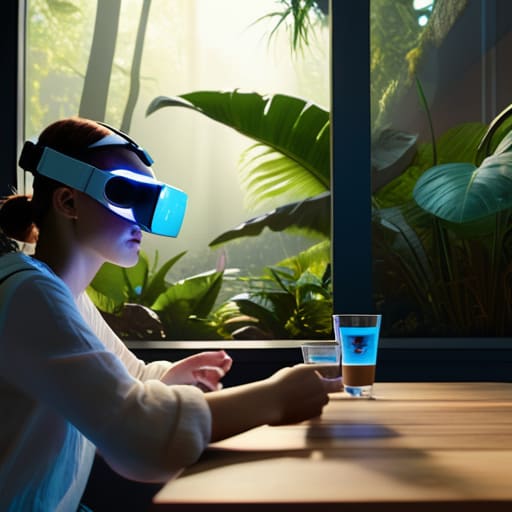
Augmented reality is a technology that overlays digital information, such as images or text, onto your actual physical surroundings to enhance your perception of the world. Instead of replacing your environment, it uses sensors and displays to seamlessly blend virtual elements into your field of vision, with its main selling point being the ability to provide contextual data without disconnecting you from your immediate space. When we are comparing augmented reality versus virtual reality experiences, AR stands out because it keeps you grounded in the “here and now” while adding a clever, digital twist to your daily routine.
I like to think of AR as the modern successor to those old-school heads-up displays you’d see in sci-fi movies, but it’s much more practical than that. Imagine you’re sitting in a local Seattle cafe, and instead of fumbling with a paper map, your phone or smart glasses subtly highlights the quickest walking path to your next meeting right on the sidewalk. It’s about enhancing your efficiency and adding a layer of magic to the mundane, allowing you to stay present with the people around you while still tapping into the vast wealth of the digital landscape.
Virtual Reality: Stepping Into Entirely New Worlds
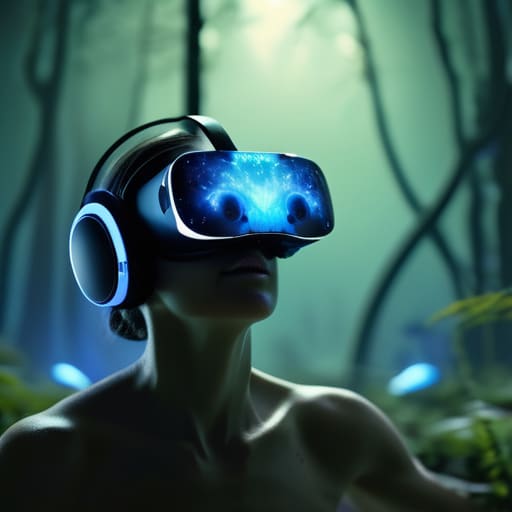
Virtual reality is a fully immersive technology that uses headsets to shut out the physical world and transport your senses into a completely computer-generated environment. By replacing your natural surroundings with a 360-degree digital landscape, its primary strength lies in its ability to create a profound sense of total presence, making you feel as though you are truly somewhere else entirely. In the debate of comparing augmented reality versus virtual reality experiences, VR is the ultimate escape artist, offering a level of sensory immersion that no other medium can quite replicate.
It reminds me a bit of the first time I put on a pair of high-end headphones and felt the world around me simply vanish—except this is a visual and spatial revolution. There is something incredibly moving about being able to “sit” in a digital recreation of a historical landmark or attend a concert on the other side of the globe from your living room. For me, the magic isn’t just in the pixels, but in the emotional connection we can forge when distance is completely erased, allowing us to meet and interact in spaces that defy the laws of physics.
Comparison of Immersive Technologies
| Feature | Augmented Reality (AR) | Virtual Reality (VR) |
|---|---|---|
| Core Concept | Digital overlays on the real world | Total immersion in a digital world |
| Key Feature | Integration with physical environment | Complete sensory isolation |
| Hardware Type | Smartphones, tablets, or smart glasses | Head-mounted displays (HMDs) |
| User Awareness | High awareness of surroundings | Low to zero awareness of surroundings |
| Best For | Navigation, retail, and interactive training | Gaming, simulations, and virtual tourism |
| Movement | Natural movement within real space | Limited or controlled physical movement |
Decoding the Differences Between Ar and Vr Technology
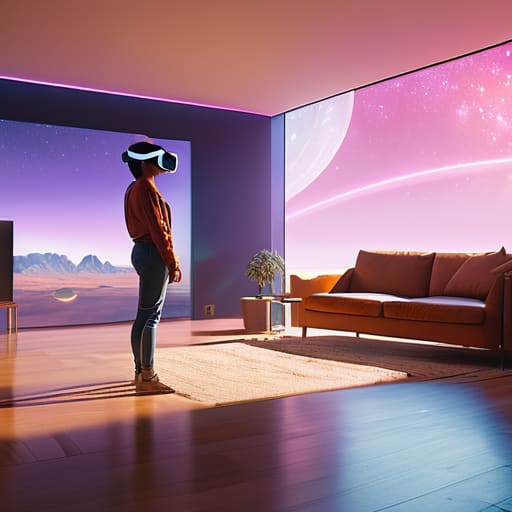
Understanding the underlying tech isn’t just for the gearheads; it’s the key to knowing which medium will actually serve your human needs. If you don’t grasp the mechanics, you’re essentially trying to navigate a new city without a map. Choosing between AR and VR is really about deciding whether you want to enhance your current reality or escape it entirely to find connection elsewhere.
Think of AR as a digital overlay, much like the way a pager once gave you a tiny window into a larger conversation without pulling you away from the room. It uses sensors and cameras to anchor digital objects into your physical space, keeping you grounded in the “here and now.” VR, on the other hand, is a total sensory takeover. It replaces your surroundings with a simulated environment, demanding your absolute presence to feel like you’ve actually “arrived” somewhere else.
The practical difference is massive: AR is for seamless integration into your daily life, while VR is for deep, immersive experiences. Because AR keeps you tethered to the real world, it wins for practical, everyday utility.
Immersive Technology Use Cases for Deepening Human Bonds
When we talk about the tech specs, it’s easy to get lost in pixels and refresh rates, but at the end of the day, we’re really asking: how does this help us feel closer to one another? Whether we’re using these tools to bridge a physical gap or to enhance a shared moment, the true measure of their success isn’t just immersion—it’s the quality of the connection they facilitate.
AR is like a digital bridge built into your actual surroundings; imagine sitting at your kitchen table with a friend’s avatar appearing in the empty chair, or using shared filters to laugh together during a video call. It keeps you grounded in your physical reality while adding a layer of shared magic. VR, on the other hand, is a total departure. It’s about telepresence—transporting you and a loved one to a digital mountain peak or a simulated concert, creating a shared sense of “being there” that feels almost visceral.
If your goal is to enhance your current world without losing touch with your physical environment, AR is the winner. But for those seeking to escape together and build entirely new shared memories, VR takes the crown.
The Future is Both Digital and Human
As we’ve navigated through the nuances of these technologies, it’s clear that neither AR nor VR holds a monopoly on “better.” While AR works like a digital lens that enhances our existing reality—perfect for those quick, contextual connections while we’re out in the world—VR offers that profound, total immersion that can transport us to entirely new dimensions. It’s not a matter of which one wins, but rather about choosing the right tool for the connection you’re trying to make. Whether you’re layering data over a shared workspace or stepping into a virtual living room to sit with a friend across the globe, both paths lead us toward a more integrated way of interacting.
Looking at my collection of old pagers and rotary phones, I’m reminded that every leap in communication technology initially feels a bit overwhelming. But just as those old gadgets eventually paved the way for the seamless connectivity we enjoy today, AR and VR are simply the next chapters in our long history of reaching out to one another. My hope is that we don’t get so lost in the hardware that we forget the heartbeat behind the screen. Let’s use these incredible tools to bridge the distance, ensuring that no matter how much the interface changes, the human connection remains the most important part of the experience.