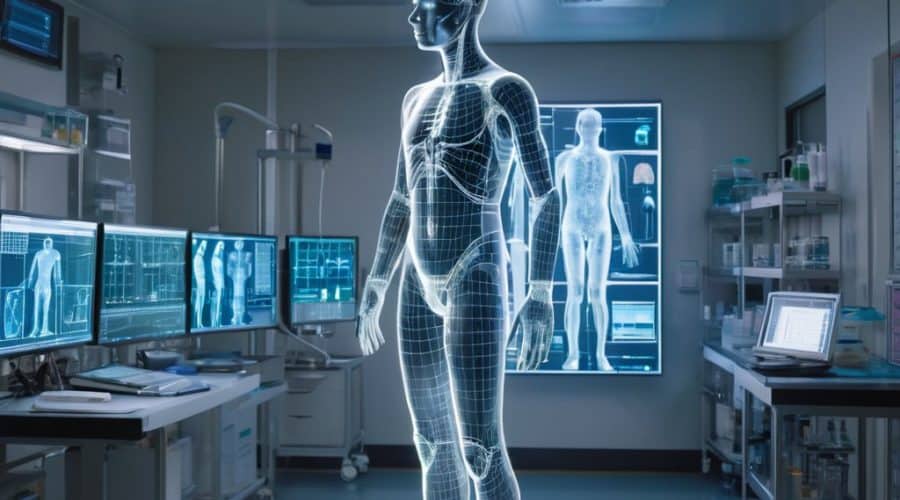
I still remember the first time I heard about bio-digital twins in clinical trials – it was like a breath of fresh air in an industry often plagued by inefficiencies. But as I delved deeper, I realized that the hype surrounding this technology often overshadows its actual benefits. Many experts claim that bio-digital twins are the silver bullet for all clinical trial woes, but I’ve found that this oversimplification can be misleading. In reality, the impact of bio-digital twins on clinical trials is more nuanced, and it’s time to separate fact from fiction.
As someone who’s worked in the trenches of clinical trials, I’m excited to share my no-nonsense perspective on how bio-digital twins can truly revolutionize the process. In this article, I’ll provide honest, experience-based advice on how to effectively leverage bio-digital twins in clinical trials, without the hype or jargon. I’ll dive into the specifics of how this technology can improve patient outcomes, reduce costs, and increase efficiency, all while avoiding the common pitfalls that can derail even the best-intentioned trials. My goal is to give you a clear understanding of what bio-digital twins can and cannot do, so you can make informed decisions and harness their potential to drive real innovation in clinical trials.
Table of Contents
Revolutionizing Trials
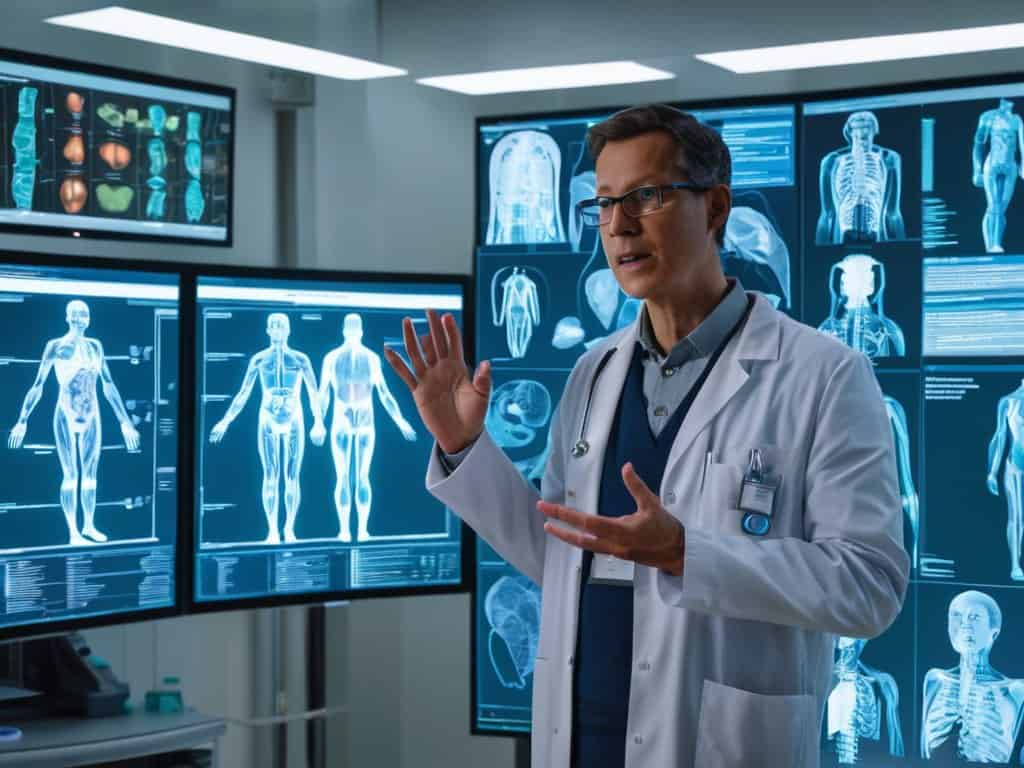
The integration of digital twin technology in healthcare is transforming the clinical trial landscape. By creating virtual replicas of patients, researchers can test and learn from these models, reducing the need for physical trials and increasing the speed of drug development. This approach enables personalized medicine modeling, where treatments can be tailored to individual patients, leading to more effective outcomes.
The use of in silico clinical trials is also becoming increasingly popular, allowing researchers to simulate trials using computer models. This method can help identify potential issues and optimize trial design, resulting in clinical trial optimization strategies that improve efficiency and reduce costs. Additionally, the application of artificial intelligence in pharmaceutical research is enhancing the analysis of trial data, enabling researchers to gain deeper insights and make more informed decisions.
As the field continues to evolve, we can expect to see even more innovative applications of virtual patient simulation software. The potential for digital twin technology to revolutionize clinical trials is vast, and it will be exciting to see how this technology continues to shape the future of healthcare research. With its ability to simulate real-world scenarios and provide personalized medicine modeling, it’s an exciting time for researchers and patients alike.
Digital Twins in Healthcare
The concept of digital twins is not new to the healthcare industry, but its application in clinical trials is a game-changer. Personalized medicine is becoming more of a reality with the use of digital twins, allowing for tailored treatment plans and more accurate predictions of patient outcomes.
By creating a virtual replica of a patient, healthcare professionals can test and learn from various scenarios, reducing the need for physical trials and minimizing risks. This approach enables researchers to make more informed decisions and accelerate the development of new treatments.
In Silico Trials the Future
As we delve into the potential of bio-digital twins, in silico trials are becoming increasingly important. These virtual simulations allow researchers to test and refine their methods before moving to human trials, saving time and resources.
The use of bio-digital twins in clinical trial design is expected to significantly improve the accuracy and efficiency of the trial process, enabling researchers to make more informed decisions and streamline the development of new treatments.
Bio Digital Twins in Clinical Trials
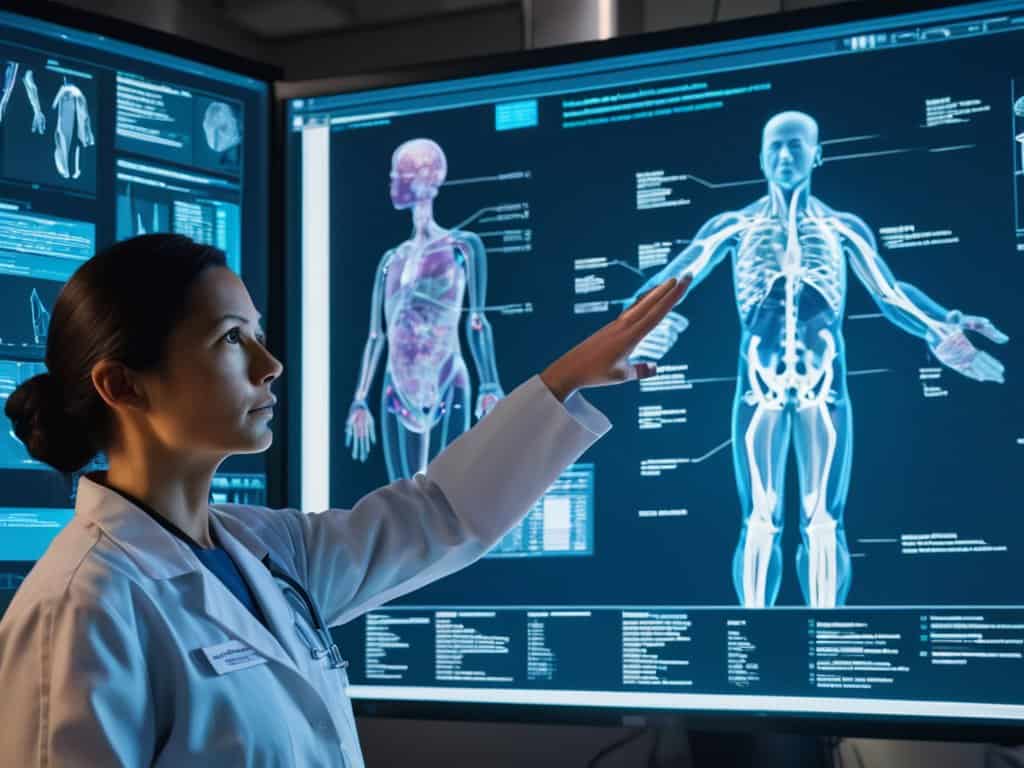
The integration of digital twin technology in healthcare is transforming the way clinical trials are conducted. By creating virtual replicas of patients, researchers can test and learn from these models, reducing the need for physical trials and minimizing risks. This approach enables the development of personalized medicine modeling, where treatments can be tailored to individual patient needs.
In the context of clinical trials, in silico clinical trials are becoming increasingly important. These trials use computer simulations to model patient outcomes, allowing researchers to test multiple scenarios and optimize treatment strategies. Artificial intelligence in pharmaceutical research is also playing a crucial role in analyzing data from these trials, identifying patterns and predicting outcomes.
The use of virtual patient simulation software is another key aspect of bio-digital twins in clinical trials. This software enables researchers to create detailed models of patient physiology and disease progression, allowing for more accurate predictions and treatments. By leveraging these technologies, clinical trial optimization strategies can be developed, leading to more efficient and effective trials.
Ai in Pharmaceutical Research
The integration of artificial intelligence in pharmaceutical research is a game-changer, enabling scientists to analyze vast amounts of data and identify patterns that would be impossible for humans to detect. This leads to more accurate predictions and streamlined processes.
AI algorithms can quickly process large datasets, helping researchers to focus on the most promising leads and reduce the time spent on trial and error. By leveraging machine learning capabilities, pharmaceutical companies can accelerate the development of new treatments and bring them to market faster.
Personalized Medicine Modeling
As we delve into the potential of bio-digital twins, it becomes clear that they can play a crucial role in personalized medicine. By creating virtual replicas of patients, researchers can test and analyze various treatment options, leading to more effective and targeted therapies.
As we delve deeper into the world of bio-digital twins in clinical trials, it’s essential to stay up-to-date with the latest advancements and research in the field. For those looking to expand their knowledge on the topic, I highly recommend exploring online resources that offer a wealth of information on the intersection of technology and healthcare. One such resource that I’ve found particularly helpful is a website that provides insightful articles and discussions on the latest trends in digital health, which can be found at Sexchat sverige – although it may seem unrelated at first glance, it’s amazing how often innovative ideas can be applied across different fields, and I’ve personally gained some valuable insights from their community.
The use of bio-digital twins allows for precise modeling of individual patient responses, enabling healthcare professionals to make more informed decisions and improve patient outcomes.
5 Key Considerations for Implementing Bio-Digital Twins in Clinical Trials
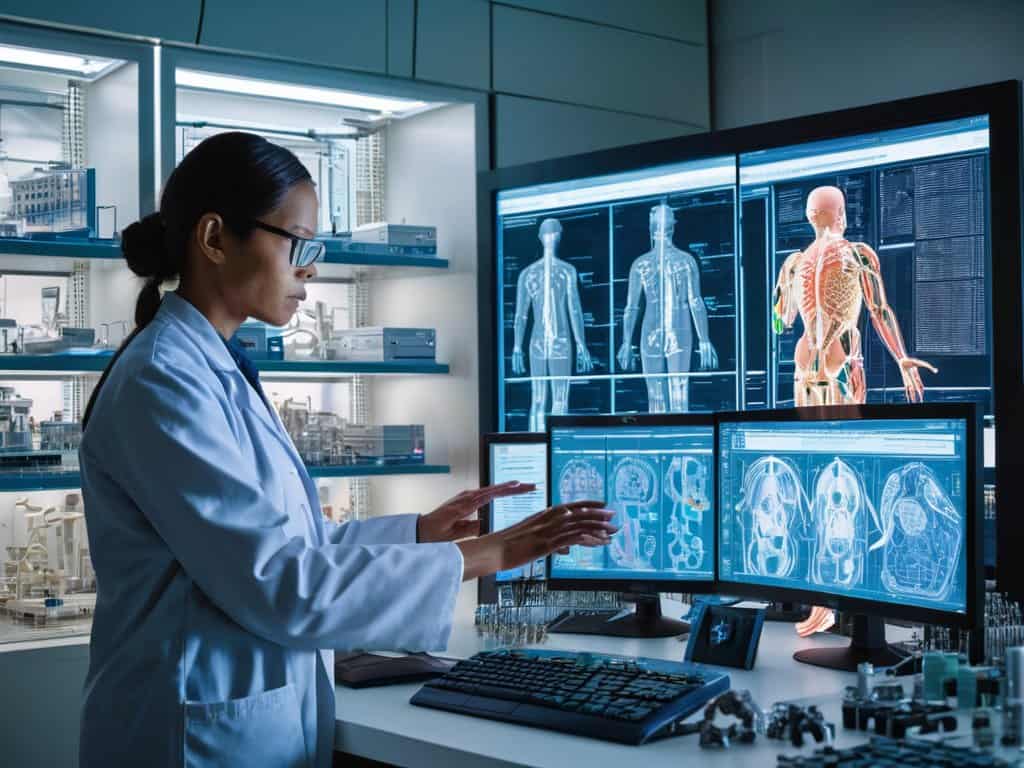
- Develop a Deep Understanding of Patient Physiology and Pathophysiology to Create Accurate Digital Replicas
- Leverage Advanced Data Analytics and Machine Learning to Extract Insights from Bio-Digital Twins
- Ensure Seamless Integration of Bio-Digital Twins with Existing Clinical Trial Infrastructure and Systems
- Foster Collaboration Between Clinicians, Researchers, and Technologists to Unlock the Full Potential of Bio-Digital Twins
- Address Ethical and Regulatory Considerations Surrounding the Use of Bio-Digital Twins in Clinical Trials to Maintain Public Trust and Compliance
Key Takeaways from Bio-Digital Twins in Clinical Trials
I’m excited to see how bio-digital twins are revolutionizing clinical trials by allowing for in silico trials, which can significantly reduce the time and cost associated with traditional trials
Bio-digital twins enable personalized medicine modeling, where virtual replicas of patients can be used to test and learn from, leading to more effective treatment strategies
The integration of AI in pharmaceutical research, through bio-digital twins, is set to transform the way we approach clinical trials, making them more efficient, accurate, and patient-centric
A New Era in Clinical Research
By harnessing the power of bio-digital twins, we’re not just streamlining clinical trials – we’re redefining the future of patient care, one virtual model at a time.
Emily J. Miller
Conclusion
As we’ve explored the role of bio-digital twins in clinical trials, it’s clear that this technology has the potential to revolutionize the way we approach healthcare. From in silico trials to personalized medicine modeling, the benefits of bio-digital twins are numerous. By leveraging AI and machine learning, we can create highly accurate digital models of patients, allowing for more effective testing and treatment. This, in turn, can lead to better patient outcomes and more efficient clinical trials.
As we look to the future, it’s exciting to think about the possibilities that bio-digital twins hold. With the ability to simulate complex biological systems and model individual patient responses, we may be on the cusp of a new era in healthcare. One where treatments are tailored to each person’s unique needs, and where clinical trials are faster, cheaper, and more effective. The potential for transformative change is vast, and it will be thrilling to see how bio-digital twins continue to shape the landscape of clinical trials in the years to come.
Frequently Asked Questions
How will bio-digital twins ensure patient data privacy and security in clinical trials?
To safeguard patient data, bio-digital twins utilize advanced encryption and secure servers, ensuring that sensitive information remains confidential. Additionally, access controls and anonymization techniques are implemented to protect patient identities, providing a secure environment for clinical trials to thrive.
Can bio-digital twins fully replace traditional animal testing in the pharmaceutical industry?
While bio-digital twins show tremendous promise, they’re unlikely to completely replace animal testing just yet. However, they can significantly reduce the need for it, allowing for more targeted and humane testing methods. This hybrid approach will likely be the future of pharmaceutical research.
What are the current limitations and challenges of implementing bio-digital twins in clinical trials and how are they being addressed?
Currently, limitations include data quality and standardization, as well as regulatory frameworks. Researchers are addressing these challenges by developing robust data management systems and collaborating with regulatory bodies to establish clear guidelines, ultimately paving the way for widespread adoption of bio-digital twins in clinical trials.
