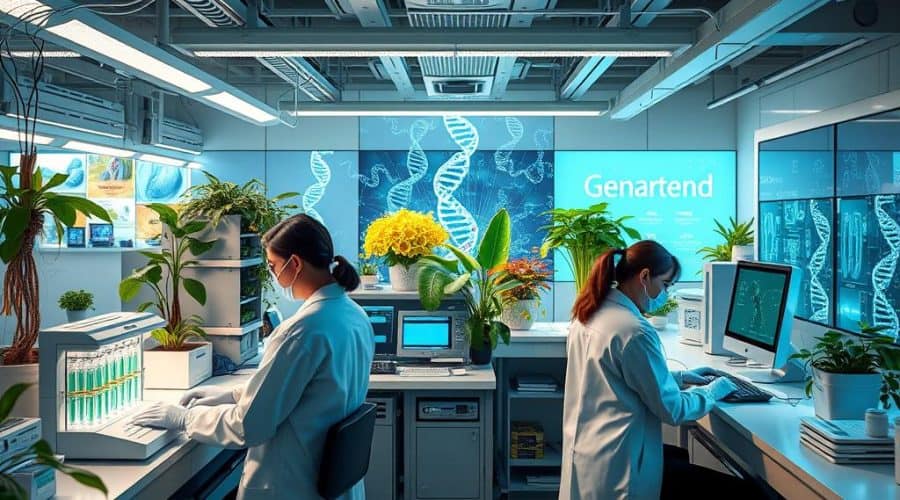
Did you know that the biotech sector saw huge investments at the start of the Covid-19 pandemic? This showed the power of new medical ideas. But by 2022, the industry faced big cuts in budgets and jobs, showing how fast things can change.
Now, with the pandemic over on May 11, 2023, we’re at a key time. Biotech is changing how we treat diseases and what healthcare will be like in the future. I’ll explore new trends like AI, genetic engineering, and RNA technologies. These are creating a new path for biotech, focusing on better patient care and partnerships.
Key Takeaways
- Investments in biotech during the pandemic highlighted the sector’s transformative potential.
- The Covid-19 recovery period revealed vulnerabilities with budget cuts and layoffs.
- 2024 is poised to bring new opportunities for growth in various biotech sectors.
- AI applications are set to play a crucial role in drug discovery and development.
- RNA technologies are evolving with advanced delivery systems for diverse therapies.
- Strategic focus on efficiency will redefine company operations in the biotech industry.
- Regenerative medicine, including tissue engineering, is expected to flourish in 2024.
Emerging Trends in Biotech Healthcare for 2024
In 2024, the biotech healthcare world is changing fast. AI is leading this change, making big impacts on drug discovery and treatment. This mix of tech and biology is opening new ways to improve patient care.
AI Transformations in Biotechnology
AI is changing the biotech scene. It makes drug trials better, improves diagnostic results, and makes treatments more precise. For example, AI helps spot diseases early through scans, leading to better health outcomes.
It also finds kidney transplant problems sooner than old methods. These changes show AI is making healthcare more efficient.
Shifts in Genetic Engineering Approaches
New genetic engineering methods are bringing hope for treating genetic diseases and cancers. CRISPR technology allows for precise DNA changes, treating conditions once thought untreatable. These advances are key to personalized medicine, tailoring health care to each person.
This focus on genetic engineering shows a big trend in biotech. It’s all about improving patient care with targeted treatments.
Growth of RNA Technologies
RNA technologies are growing fast in biotech. They’re being used more in immunotherapy and disease treatment. This growth means new ways to fight diseases, promising to change patient care a lot.
Strategic Changes in Biotech Healthcare Companies
The biotech world is changing fast as companies adjust to the post-pandemic era. They now focus on being efficient, not just new. This shift makes biotech company strategies more about being sustainable and profitable. With the need for quick returns, companies are making smarter choices, checking their spending and R&D budgets closely.
Focus on Efficiency Over Novelty
The pandemic made companies rethink how they work. They now value open innovation, sustainability, and being able to adapt quickly. This new way of thinking is all about efficiency in biotech, making sure they get the most out of their work with less waste.
Historically, about 50% of medical equipment inventions never get used. This shows how important it is to work better and faster. Companies are now focusing on results, not just how they do things.
Reviving Acquisition Strategies
Acquisition trends are coming back as biotech companies try to stay strong in the market. After a slow period, mergers and acquisitions are picking up again. Deals like Pfizer buying Arena Pharmaceuticals show a big shift towards strategic growth, focusing on gene therapy and cancer treatments.
These moves are key to staying ahead, not just growing for growth’s sake. Healthcare investment is now more focused, with big companies looking for deals that offer real benefits right away.
Conclusion
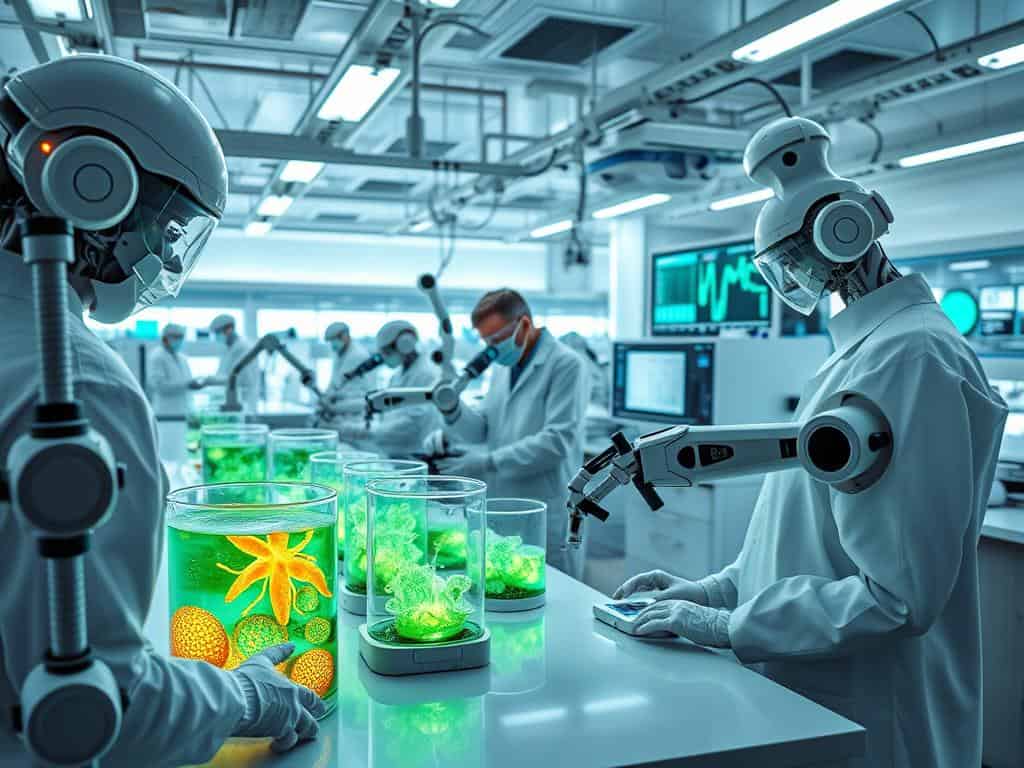
Looking ahead to 2024, the future of biotech healthcare is exciting. New technologies, strategic changes, and patient needs are shaping the field. Companies big and small are racing to use AI and RNA to improve care.
These advancements are not just for keeping up. They’re about making healthcare better and solving big health problems. This is a big step forward for everyone.
Stories from around the world show how biotech can make a difference. Countries like South Korea and Cuba are making sure everyone has access to needed medicines. This shows how smart plans can lead to better health.
India and Brazil also show the value of education in healthcare. They’ve invested in biotech and vaccine making. This is key for improving health.
As we move forward, making things more efficient is key. We need to keep investing in biotech to drive innovation. With technology, I’m hopeful for a future where patient care is top priority. This will change healthcare worldwide.
