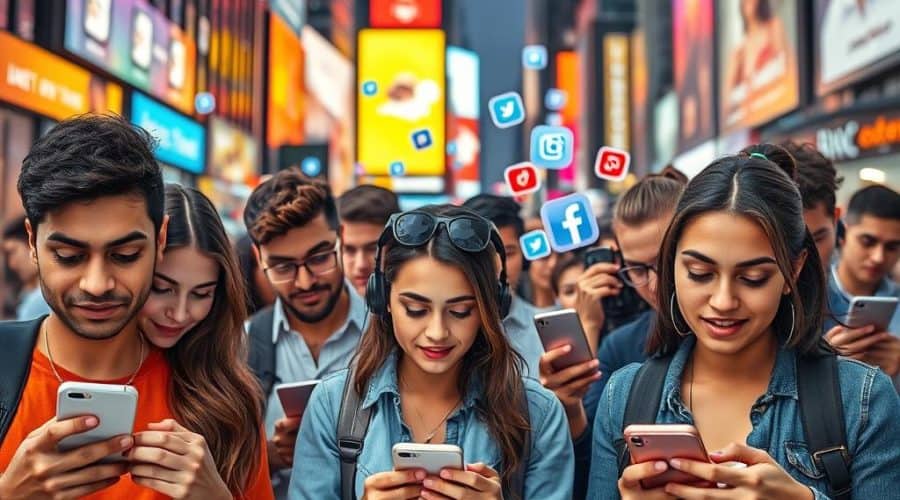
Did you know that 69% of consumers feel FOMO, the “fear of missing out”? This feeling is not just a temporary worry. It has led to a 60% rise in sales for smart brands. In 2024, social media like Facebook and Instagram are making us feel urgent and inadequate. This drives a lot of clicks and purchases.
I’m looking into how FOMO marketing affects what we buy. I’ll share ways brands can grab our attention using FOMO. Statistics show over half of millennials hate to miss out on updates. Social media fuels this fear. Let’s dive into how FOMO and consumer behavior are linked in today’s digital world.
Key Takeaways
- 69% of millennials report experiencing FOMO, the highest among all age groups.
- Over 60% of millennials make impulsive buys within 24 hours of feeling FOMO.
- Facebook causes 72% of FOMO experiences among its users.
- 92% of online shoppers read reviews before buying, which adds to FOMO.
- User-generated content is 85% more convincing than standard brand messages.
Understanding the Psychology Behind FOMO
The fear of missing out, or FOMO, is more pronounced with social media’s growth. This fear affects how consumers act, making them buy things on impulse. Brands use urgency, like saying “Buy now or regret later,” to push people to buy quickly. This plays on the fear of missing out on something great.
What is FOMO and Its Impact on Consumers?
FOMO is the stress and envy felt when seeing others enjoy life more. 56% of social media users often feel this way. Thus, marketers use limited-time offers to make people buy quickly. Surprisingly, 60% buy something impulsively within 24 hours, driven by FOMO.
The Emotional Toll of FOMO
FOMO’s emotional impact is significant, affecting more than just shopping habits. It leads to loneliness, anxiety, and jealousy from constantly seeing others’ “perfect” lives online. 39% feel envy, and 30% are disappointed by missed chances. This can increase compulsive use of social media, worsening one’s mental health.

FOMO Marketing Strategies to Boost Engagement
FOMO marketing strategies can really boost engagement and lead to more sales. In today’s market, it’s key to make buyers feel they need to act fast. This is because 69% of millennials feel FOMO. So, creating a sense of urgency is a must to influence their buying choices.
Creating Urgency and Scarcity
Scarcity marketing, like time-bound deals or showing limited stock, grabs interest and makes people decide quickly. Over half of social media users often experience FOMO. This makes using urgency an important approach. Strategies such as countdown timers and live updates on others buying can increase FOMO. They persuade shoppers to buy without delay.
By using exit-intent tech, brands can catch visitors’ interest right before they leave. They offer great deals to prevent them from missing out.
User-Generated Content and Social Proof
User-generated content is key in boosting FOMO marketing. Over 80% of people believe in visual UGC more than traditional ads. Sharing real customer experiences builds trust and creates a community feeling. Demonstrating popular products and current user activities increases engagement. It shows how others are enjoying exclusive deals.
Combining UGC with social proof, brands see big revenue increases and develop a devoted customer base.
Conclusion
FOMO marketing is becoming essential in shaping consumer behavior and marketer strategies. Yet, 95% of companies use limited-time offers too much. This can tire consumers out. Instead, offering deals at different times has helped businesses see a 35% rise in customer urgency.
User-generated content is more effective than influencer endorsements for 70% of customers. Brands that use real consumer experiences in their marketing create powerful stories. These stories connect with people on an emotional level. They don’t just push for a sale but build a sense of community.
In 2024, FOMO marketing could greatly increase social media interaction. Custom FOMO strategies can get a 45% better response than general ones. Brands that balance urgency with valuable content can form lasting connections with customers. This way, consumers won’t only fear missing out; they’ll become active participants in a shared experience.
