
About 40 million adults in the U.S. struggle with anxiety disorders. That’s 18% of people living here. Anxiety affects our mental health and everyday happiness. In this article, we’ll look at ten effective ways to reduce anxiety. Techniques like mindfulness really help. By using these methods, we can all escape anxiety’s hold. This will lead us to more peaceful and happy lives.
Key Takeaways
- Anxiety is the most common mental health issue in the U.S., affecting millions.
- Engaging in physical activity can significantly lower the risk of developing anxiety symptoms.
- Mindfulness and meditation can provide relief equivalent to some medications.
- Managing lifestyle factors, such as sleep and diet, plays a vital role in anxiety relief.
- Small acts of bravery can help in challenging anxiety-inducing situations.
- Seeking professional help is an important step toward better mental health.
- Listening to music or practicing yoga can positively impact anxiety levels.
Understanding Anxiety and Its Impact on Mental Health
Anxiety is a complex feeling many people experience. It’s vital to fully understand it to boost mental health. Grasping the different types of anxiety and their effects is key. This knowledge helps me deal with my emotions and reactions better.
What is Anxiety?
Anxiety shows up in many ways, including fear and panic. Generalized Anxiety Disorder (GAD) involves ongoing worry that messes with everyday life. It comes with feeling restless, having trouble focusing, and difficulties in sleeping. Panic disorder causes sudden, intense anxiety attacks. These bring severe physical reactions like rapid heartbeat or chest pain. Learning about social anxiety disorder and specific phobias helps me understand anxiety’s role in my life and others’.
Why Managing Anxiety is Crucial
It’s critical to manage anxiety for good mental health. If not handled well, it can hurt both personal and work life, making one feel lost. Medicines like antidepressants offer short-term help but don’t build coping skills. Using therapy and daily management practices helps me take charge of my anxiety. This effort can greatly boost my daily happiness.
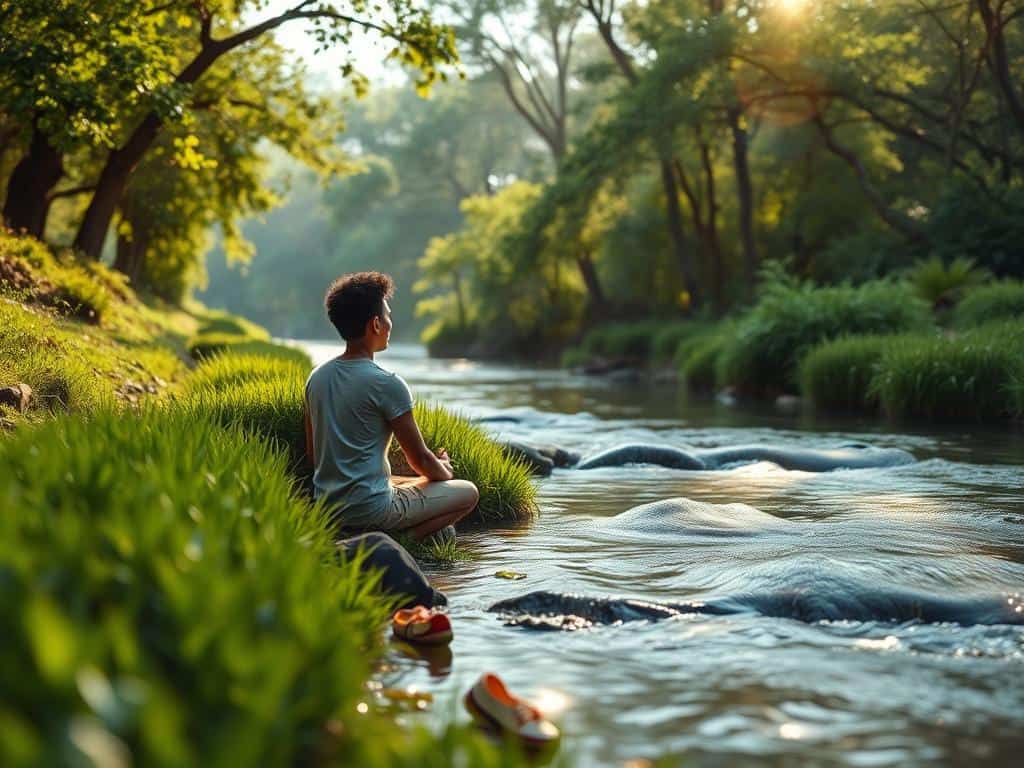
Top 10 Anxiety Relief Techniques You Need to Try
Finding the right way to ease anxiety is crucial for good mental health. I’ve tried many strategies that help with mindfulness and stress relief. Each one has special benefits that help manage anxiety.
Mindfulness and Meditation
Mindfulness keeps the mind at peace. Meditation boosts focus and helps control emotions. By being mindful, I’ve learned to view my thoughts and feelings without judging myself.
Diaphragmatic Breathing
Deep breathing through the diaphragm can relax the body. I focus on slow, deep breaths to reduce tension. This method is a simple yet effective way to feel better.
Small Acts of Bravery
Trying small brave acts can lessen anxiety. Stepping out of my comfort zone boosts my confidence. It makes facing bigger challenges easier.
Guided Imagery
Thinking of calming scenes helps soothe my anxiety. Guided imagery lets me picture happy moments. It’s a great escape from stress.
Simple Stretches
Stretching daily eases muscle tension in the jaw, neck, and shoulders. It strengthens the connection between mind and body. This leads to better relaxation and mental health.
Using Music for Distraction
Music distracts and soothes my mind. It helps me focus and solve problems better. Playing or listening to music is key in my relaxation routine.
Challenge Your Self-Talk
Positive self-talk helps control anxiety. I use encouraging words to soothe myself. Describing my emotions activates my brain in helpful ways.
Seeking Professional Help
Getting help is important when anxiety is too much. Cognitive-behavioral therapy improves mental health quickly. A skilled therapist can make a big difference.
Healthy Lifestyle Choices
A balanced lifestyle is essential for managing anxiety. I focus on eating well, exercising, and getting enough sleep. These habits are key to my well-being.
Creating Playlists for Relaxation
Relaxing playlists help me think of happier times. Making these music lists distracts me from stress. It’s a fun way to promote calmness.
Conclusion
I’ve learned how vital anxiety relief strategies are for improving mental health. Anxiety disorders are widespread in the U.S. This fact stands out in Kessler’s research. Adopting mindfulness, deep breathing, and good lifestyle habits can fight the impact of anxiety on our health.
Anxiety doesn’t stand alone but comes with other issues, as Alonso’s work shows. This fact shows the need for a well-rounded strategy. Tailoring anxiety management to fit personal needs can boost motivation. It helps people take control of their well-being.
Knowing how common anxiety is helps. Trying the methods discussed here can lead to a peaceful mind. I hope you use these ideas as a guide for better mental health. Let’s take steps toward a more fulfilling life.
