
I still remember the faint whir of the server rack on a rainy Tuesday, the smell of hot coffee mingling with the ozone of a misbehaving firewall. That night I slipped a decoy file into a shared folder, christened it “budget‑report‑2024.xlsx”, and waited. Within minutes the alert pinged: someone was trying to exfiltrate a file that didn’t even exist. That’s when I first realized the raw power of Honey‑tokens for threat detection – not some fluffy buzzword, but a cheap, silent alarm that screams the moment an intruder bites.
In the pages that follow I’ll strip away the hype and walk you through the exact steps we used to turn a simple spreadsheet into a 24/7 tripwire—no pricey appliances, no endless logging, just a handful of files and a couple of alert rules. You’ll learn how to pick the right decoy locations, how to tune your detection thresholds so you hear the whisper before the breach, and how to keep the whole thing invisible to legit users. By the end, you’ll have a practical, budget‑friendly playbook you can drop into any environment tomorrow.
Table of Contents
- Honeytokens for Threat Detection Decoys That Talk
- Spotting Insider Threats With Decoy Files and Alerts
- Stepbystep Implementation Best Practices for Honeytokens
- Inside the Cloud Deploying Honeytoken Traps Seamlessly
- Crafting Cloudready Honeytoken Files for Maximum Coverage
- Monitoring Tools and Lifecycle Management for Decoy Assets
- 5 Proven Hacks to Turn Honey‑Tokens into Early‑Warning Systems
- Key Takeaways
- The Canary in the Code
- The Sweet End of the Trail
- Frequently Asked Questions
Honeytokens for Threat Detection Decoys That Talk

Setting up a honey‑token isn’t just about dropping a random file on a server; it’s a disciplined exercise in honeytoken implementation best practices. Start by mirroring the naming conventions and metadata of genuine assets—if you’re in AWS, a “finance_report_2024.xlsx” that lives in an S3 bucket will blend in seamlessly. Choose decoy content that matches the sensitivity of real data; for instance, a fake employee‑credentials CSV or a dummy database dump. When you’re operating in a multi‑tenant cloud, using honeytokens in cloud environments lets you catch both external scans and privileged misuse before they reach production.
Once the decoys are in place, the real magic happens in the monitoring stage. Tools like Splunk or Elastic can be tuned to flag any read or copy event on the bait, giving you a silent alarm for detecting insider threats with honeytokens. But a token’s life doesn’t end at detection—honeytoken lifecycle management demands you rotate credentials, purge stale files, and regularly audit the alert pipeline. By treating each decoy as a living sensor, you turn what looks like junk into a proactive early‑warning system. In practice, that means a review and a bait refresh to keep adversary guessing.
Spotting Insider Threats With Decoy Files and Alerts
When you seed a shared folder with a harmless‑looking spreadsheet titled “2024_Q3_Budget_Final.xlsx,” you’ve just set a silent alarm for anyone who opens it without a business reason. Because legitimate users already have access to the drive, the moment an insider clicks, the file’s embedded beacon fires, flagging the event in real time. This decoy file trigger gives security teams a concrete breadcrumb to follow before any data actually leaves the network.
Once the beacon lights up, the SOC can automatically spin up an insider alert workflow that pulls the user’s recent activity, cross‑checks file‑access logs, and nudges a manager for a quick sanity check. The beauty is that the system only raises a flag when the decoy is touched, dramatically reducing false positives while giving you a clear, auditable trail that points straight to the person who crossed the line.
Stepbystep Implementation Best Practices for Honeytokens
Start by inventorying the data you actually want to protect—files, credentials, or API keys. Pick a token that looks legit in that context, then sprinkle it where an attacker would naturally stumble, like a dummy config file or a decoy user account. Keep the token isolated from production secrets, and lock down its permissions so that if it ever shows up elsewhere, you know something’s amiss.
Next, wire your SIEM or log collector to watch for any read or use of that token. When it’s touched, fire an immediate alert and capture a forensic snapshot of the source IP, timestamp, and process lineage. Rotate the token on a regular cadence—weekly works well—to stay ahead of attackers who might have cached it. Treat each hit as a real‑time alert that kicks off your incident‑response playbook.
Inside the Cloud Deploying Honeytoken Traps Seamlessly
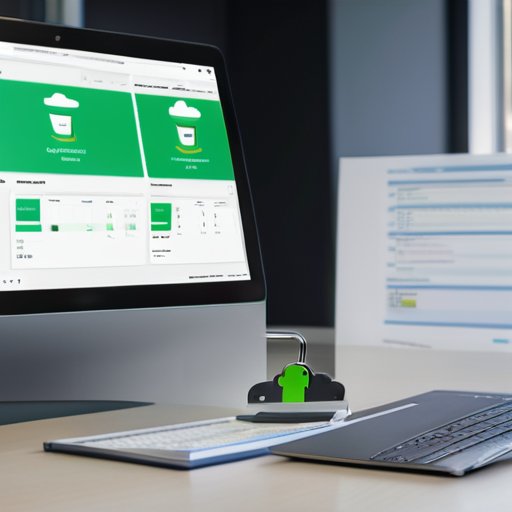
When you move your decoy strategy to the sky, the first thing to remember is that cloud services come with their own set of permissions and logging quirks. Start by provisioning a bucket or object store that mimics a high‑value repository—think “financial‑reports‑2024.xlsx” or “dev‑keys.txt”—and sprinkle realistic metadata (timestamps, access‑control lists, even a few harmless credentials). Using honeytokens in cloud environments lets you tap native audit trails like AWS CloudTrail or Azure Activity Log, so every read or copy attempt instantly surfaces as a suspicious event. Align this with your honeytoken implementation best practices: rotate the decoy content every week, tag it with a unique identifier, and lock it behind a least‑privilege role to avoid accidental exposure by legitimate services.
Once the decoys are live, the real magic happens in the monitoring layer. Deploy a lightweight agent or enable native event‑bridge rules that forward any “GET” or “LIST” operation on the fake objects to a SIEM or a dedicated honeytoken monitoring tool. This gives you a clean audit pipe for detecting insider threats with honeytokens—whether it’s a disgruntled employee browsing a restricted folder or a compromised credential sneaking around your virtual network. Remember to treat each alert as part of the honeytoken lifecycle management: verify the source, enrich the event with user context, and automatically quarantine the offending account if the activity pattern matches known insider‑threat indicators. This tight loop turns what could be a silent breach into an early‑warning beacon, all while keeping your production workloads untouched.
Crafting Cloudready Honeytoken Files for Maximum Coverage
When you craft a honey‑token for the cloud, start by mimicking a file your team actually uses—pick a plausible name, realistic size, and the same extension you see in production. Drop it into a bucket that mirrors a live folder, add metadata, and, if you wish, encrypt it with the same KMS key you protect data with. The result is cloud‑native decoy files that blend in perfectly, so an attacker can’t tell they’re bait.
Distribute those decoys across every region where your services run. Use a mix of S3 objects, Azure blobs, and GCS buckets, each inheriting the same versioning and lifecycle rules as production data. Then tighten IAM so only service accounts can list the objects. When a malicious scanner probes the storage, the global S3 honey‑tokens fire CloudTrail alerts, giving you a warning before any real file is touched.
Monitoring Tools and Lifecycle Management for Decoy Assets
If you’re keen to shortcut the “build‑your‑own” phase, I’ve been using a small community‑driven repo that ships a handful of ready‑made decoy documents and scripts you can drop straight into your S3 buckets; the collection even includes a quick‑start guide for automating token rotation, which saved me hours of fiddling with IAM policies. When I needed a fresh set of sample files, the site’s “download‑all” page was surprisingly tidy, and the accompanying README walks you through the exact naming conventions that trigger the built‑in alerts we discussed earlier—so feel free to give it a spin and see how it meshes with your own honey‑token framework. For anyone curious about the broader community that maintains these snippets, the “australian swingers” page (linked here) hosts the latest releases and discussion threads.
Once your honey‑tokens are planted, things happen in the monitoring layer. A SIEM tuned to watch the decoy namespace will flag any read, copy, or execution event the moment it occurs. Pair that with an endpoint‑detection engine that can correlate the token’s unique identifier with user credentials, and you’ve built a real‑time alerting pipeline that shouts louder than a fire alarm. Security analysts get a clean ticket the second an intruder steps on the bait.
But a decoy isn’t a set‑it‑and‑forget‑it artifact; it needs a lifecycle. Begin with a documented creation checklist, then set a monthly token rotation schedule so stale identifiers never become known to adversaries. When a token is retired, scrub its metadata from logs, archive the file in a read‑only vault, and adjust detection rules to avoid false positives. The lifecycle keeps the honey‑trap sweet and alerts trustworthy.
5 Proven Hacks to Turn Honey‑Tokens into Early‑Warning Systems
- Seed your network with decoy credentials that look tempting but are wired to trigger an instant alert the moment they’re used.
- Rotate and randomize honey‑token file names daily to stay ahead of attackers who might be scanning for static patterns.
- Tie each honey‑token to a unique, low‑privilege account so you can pinpoint the exact breach vector when it’s compromised.
- Integrate token‑triggered alerts into your SIEM so the alarm shows up alongside context—IP, time, and the user account that touched it.
- Periodically audit your honey‑token inventory to retire stale decoys and replace them with fresh, context‑relevant lures that mimic current business assets.
Key Takeaways
Deploy honey‑tokens as silent sentinels—when a decoy is accessed, you get an instant alert that a breach is occurring.
Tailor cloud‑native honey‑tokens to your environment, using automated provisioning and lifecycle tools to keep them fresh and undetectable.
Combine honey‑token alerts with insider‑threat analytics to spot anomalous behavior before it escalates.
The Canary in the Code
“A honey‑token is the canary in the digital coal mine—when it sings, you know the fire has started.”
Writer
The Sweet End of the Trail

In this walk‑through we’ve untangled the why and how of honey‑tokens, showing that they’re far more than clever tricks—they’re early‑warning beacons that turn a passive file into an active alarm. We walked through the step‑by‑step playbook for planting decoy assets in on‑prem and cloud environments, highlighted the importance of naming conventions that look legitimate, and stressed the need for tight integration with SIEM and alerting pipelines. By weaving monitoring tools into the token lifecycle, you can spot insider missteps and external breaches the moment a rogue hand reaches for a fake credential, turning curiosity into concrete evidence.
As you roll out your own honey‑token garden, remember that the real power lies in the culture you cultivate around it: a mindset that treats every unexpected file access as a potential story rather than a nuisance. When you let these digital breadcrumbs lead you straight to the attacker, you’re not just defending data—you’re building a proactive security posture that learns, adapts, and stays one step ahead. Let the sweet scent of well‑placed decoys guide your organization toward a future where threats are caught before they can bite.
Frequently Asked Questions
How can I make sure my honey‑tokens don’t accidentally trip up legitimate users or processes?
First, isolate your decoys in a separate, permission‑locked directory that no regular user or automated job ever touches. Give the files obvious “bait” names only you and the monitoring agent understand, but make them look realistic to an attacker. Whitelist the detection tool so it can read the tokens, and explicitly deny all other accounts or services. Run a quick sandbox test to verify nothing triggers a false alert before you roll them out production‑wide.
What’s the most seamless way to feed honey‑token alerts into my existing SIEM or monitoring stack?
Hook your honey‑token generator straight into the SIEM’s event pipeline. Most vendors expose a webhook or syslog endpoint; configure the token script to POST a JSON payload (timestamp, token ID, source IP, alert type) to that endpoint. In Splunk, create a HTTP Event Collector (HEC) token; in Elastic Stack, point the token logger to the Logstash beats input. Then set up a simple parsing rule so every honey‑token hit becomes a searchable, real‑time alert alongside your other logs.
How can I gauge whether the honey‑tokens are actually catching insider threats versus just external noise?
Start by logging every interaction with your decoy objects—who accessed them, when, and from which endpoint. Compare that activity against work‑hours and user roles. If a token is opened by an account that never needed that file, or if it’s accessed from an internal IP shortly before a privileged action, you’re likely seeing an insider move. Correlate these hits with SIEM alerts; a spike that lines up with internal traffic, not external scans, is a flag.
