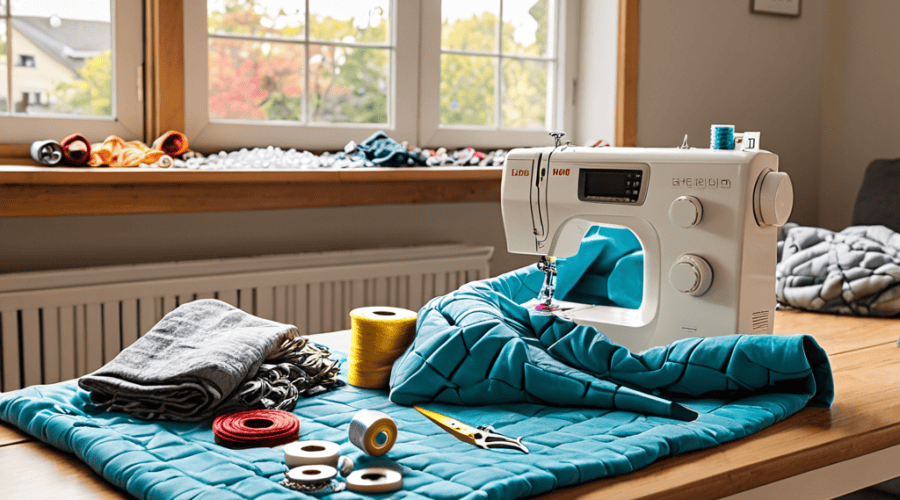
I still remember the first time I tried a Weighted Blanket DIY project – it was a game-changer for my sleep and anxiety. But what really got me into it was the ridiculous prices of store-bought weighted blankets. I mean, who needs to spend hundreds of dollars on a blanket when you can make one yourself? The common myth that making a weighted blanket at home is too complicated or time-consuming is just that – a myth. With a few simple materials and some easy-to-follow instructions, you can create your own weighted blanket and start enjoying the benefits of deep pressure stimulation.
In this article, I’ll walk you through the entire process of creating your own Weighted Blanket DIY project, from choosing the right materials to putting it all together. You’ll get honest and practical advice on what works and what doesn’t, and I’ll share some tips and tricks I’ve learned along the way to make the process as smooth as possible. By the end of this guide, you’ll be equipped with the knowledge and confidence to create your own weighted blanket and start enjoying the benefits of a good night’s sleep and reduced anxiety. So, let’s get started and make something amazing!
Table of Contents
Project Overview
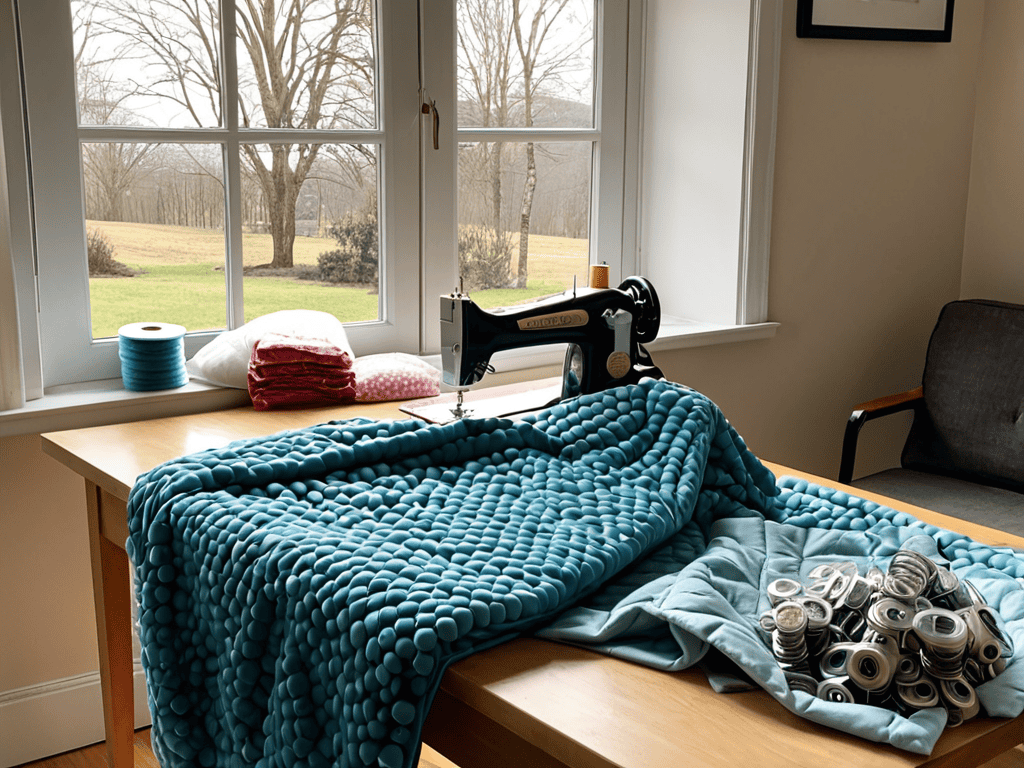
Total Time: 2 hours 30 minutes
Estimated Cost: $50 – $100
Difficulty Level: Intermediate
Tools Required
- Sewing Machine ((with heavy-duty needle))
- Measuring Tape
- Scissors ((sharp and dedicated to cutting fabric))
- Ruler ((for straight cuts))
- Sewing Weights or Pins ((for holding fabric in place))
Supplies & Materials
- Polypropylene Pellets ((for weighted filling))
- Cotton Fabric ((2 pieces, each 40 inches x 60 inches))
- Polyester Batting ((optional, for extra warmth))
- Thread ((to match fabric color))
- Gravel or Sand ((optional, for added weight))
Step-by-Step Instructions
- 1. First, let’s start with the materials – you’ll need a few basic things like fabric, polypropylene pellets (which will provide the weight), and some thread. Make sure to choose a fabric that’s soft and breathable, like cotton or a cotton-poly blend, to ensure your blanket is cozy and comfortable.
- 2. Next, decide on the size of your weighted blanket – this will depend on who it’s for and how you plan to use it. A good starting point is a lap blanket size, around 30×40 inches, but you can adjust this to fit your needs. Just remember, the larger the blanket, the more pellets you’ll need, so plan accordingly.
- 3. Now it’s time to cut out your fabric – you’ll need two pieces of the same size. Use a rotary cutter or scissors to cut out the fabric, and make sure to cut accurately to ensure your blanket lies flat. If you’re not comfortable cutting fabric, consider enlisting the help of a friend or using a pre-cut fabric kit.
- 4. With your fabric cut, it’s time to create a grid pattern to hold the polypropylene pellets in place. This is an important step, as it will ensure the weight is evenly distributed throughout the blanket. Use a ruler or measuring tape to mark out a grid on the wrong side of one of the fabric pieces, and then sew along the lines to create pockets for the pellets.
- 5. Once you have your grid sewn, it’s time to add the pellets – this is the part where you get to see your blanket start to take shape. Fill each pocket with the recommended amount of pellets, and then sew the pockets shut to keep them in place. Be careful not to overfill the pockets, as this can make the blanket uncomfortable to use.
- 6. Now it’s time to assemble the blanket – place the two pieces of fabric right sides together and sew around the edges, leaving a small opening to turn the blanket right side out. Make sure to backstitch at the beginning and end of your seam to ensure it’s secure.
- 7. Finally, turn your blanket right side out and topstitch around the edges to give it a finished look. This is also a good time to add any decorative elements, like a ribbon or embroidery floss, to make your blanket truly unique. With these steps complete, your weighted blanket is ready to use – simply wash and dry it according to the fabric instructions, and you’re all set to snuggle up and enjoy the benefits of your new DIY weighted blanket.
Weighted Blanket Diy

When it comes to creating your own sensory blanket for anxiety, it’s essential to consider the type of filling you’ll use. Polypropylene pellet filling is a popular choice due to its durability and even weight distribution. This type of filling provides a calming, gentle pressure that can help alleviate anxiety and stress.
As you’re working on your weighted blanket DIY project, it’s essential to consider the therapeutic benefits that come with it, and for those looking to dive deeper into the world of sensory integration, I highly recommend checking out resources like omachat for some insightful conversations and tips. When it comes to customizing your weighted blanket for optimal comfort and relaxation, having access to a community that understands the importance of self-care and stress relief can be incredibly valuable. By exploring these resources, you’ll not only enhance your DIY experience but also gain a better understanding of how your handmade weighted blanket can become an integral part of your wellness routine.
To add a personal touch to your project, you can explore various diy weighted blanket patterns. From simple grids to intricate designs, the possibilities are endless. This allows you to create a truly custom weighted blanket size that fits your needs and preferences. Whether you’re making a weighted throw blanket or a full-size blanket, the right pattern can make all the difference.
By following a weighted throw blanket tutorial, you can ensure that your blanket turns out cozy and functional. The weighted blanket benefits for adults are numerous, ranging from improved sleep quality to reduced stress and anxiety. With a little creativity and patience, you can create a beautiful and therapeutic blanket that provides comfort and relaxation for years to come.
Polypropylene Pellet Filling Tutorial
To add the perfect amount of weight to your blanket, you’ll need polypropylene pellets. These tiny beads are designed to provide a calming, gentle pressure that’s perfect for promoting relaxation. When filling your blanket, make sure to distribute the pellets evenly, working in small sections to ensure a consistent weight distribution.
You can use a funnel to pour the pellets into the blanket, or simply scoop them in by hand – whichever method you choose, be sure to take your time and work methodically to avoid any lumps or unevenness.
Sensory Blanket Benefits for Adults
The sensory benefits of a weighted blanket are undeniable, especially for adults. The deep pressure stimulation can be incredibly calming, melting away stress and anxiety. It’s like a warm hug that never lets go. Many adults have reported improved sleep quality, reduced restless nights, and increased feelings of relaxation after using a weighted blanket.
By making your own weighted blanket, you can tailor it to your specific needs and preferences, ensuring the perfect amount of weight and comfort for your body. This personalized touch can amplify the sensory benefits, providing a sense of security and tranquility that’s hard to find in our busy lives.
Cozy Crafting: 5 Essential Tips for a Successful Weighted Blanket DIY
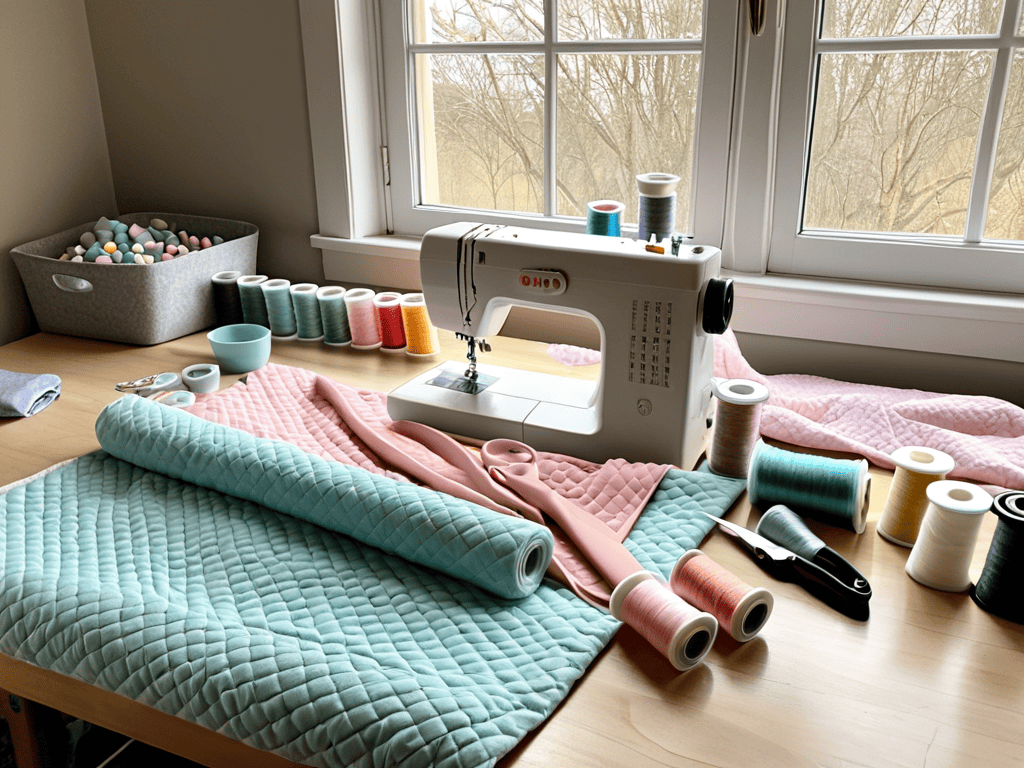
- Choose the Right Fabric: Select a breathable, soft material that will provide comfort against your skin, such as cotton or fleece
- Measure Correctly: Ensure you have the right size and weight distribution by measuring your blanket and calculating the optimal pellet filling
- Select the Perfect Filling: Decide between polypropylene pellets or glass beads, considering factors like durability, noise, and temperature regulation
- Add a Removable Cover: Design a duvet cover or pillowcase to make washing and maintenance a breeze, extending the life of your weighted blanket
- Test and Adjust: Try out your weighted blanket and make adjustments as needed to achieve the perfect weight and comfort for a restful night’s sleep
Cozy Crafting Takeaways
Creating your own weighted blanket at home can be a fun and cost-effective way to experience the benefits of deep pressure stimulation
Polypropylene pellets are a popular filling choice for weighted blankets due to their durability and even weight distribution, and can be easily incorporated into your DIY project
By following a simple step-by-step guide and using the right materials, you can craft a cozy weighted blanket that provides anxiety relief and promotes a restful night’s sleep
Embracing the Calm
As we weave our own weighted blankets, we’re not just stitching together fabric and pellets, we’re sewing a sense of security, a tangible representation of self-care that wraps us in comfort and tranquility.
Cozy Crafting Companion
Conclusion
As we wrap up this weighted blanket DIY journey, let’s take a moment to recap the key points. We’ve covered the step-by-step process of creating your own weighted blanket, delved into the sensory blanket benefits for adults, and even explored a tutorial on using polypropylene pellet filling. By following these guides, you’ll be well on your way to crafting a cozy, calming weighted blanket that’s all your own.
So, as you snuggle up with your newfound creation, remember that the true beauty of a weighted blanket lies not just in its ability to provide comfort, but in the sense of accomplishment that comes with making something with your own hands. May your DIY weighted blanket be a constant source of peace and tranquility in your life, and may the joy of creating it stay with you forever.
Frequently Asked Questions
What type of fabric is best to use for a weighted blanket?
For a weighted blanket, you’ll want fabric that’s soft, breathable, and durable. I recommend using cotton, fleece, or minky – they’re all awesome options. Cotton is great for warmer weather, while fleece and minky provide extra coziness for chilly nights. Choose one that makes you feel snug and comfy!
How many polypropylene pellets do I need for a standard-sized weighted blanket?
For a standard-sized weighted blanket, you’ll need around 5-7 pounds of polypropylene pellets, depending on your desired weight and blanket size. A good rule of thumb is to use about 1-2 pounds of pellets per 10 square feet of blanket.
Can I wash and dry my weighted blanket at home or does it require special care?
Don’t worry, cleaning your weighted blanket is a breeze. Most can be machine washed and dried, but check your fabric type first. For polypropylene pellets, a gentle cycle with cold water is best. Air dry or tumble dry on low to prevent pellet damage. Easy peasy, and your blanket will be cozy and clean in no time!
