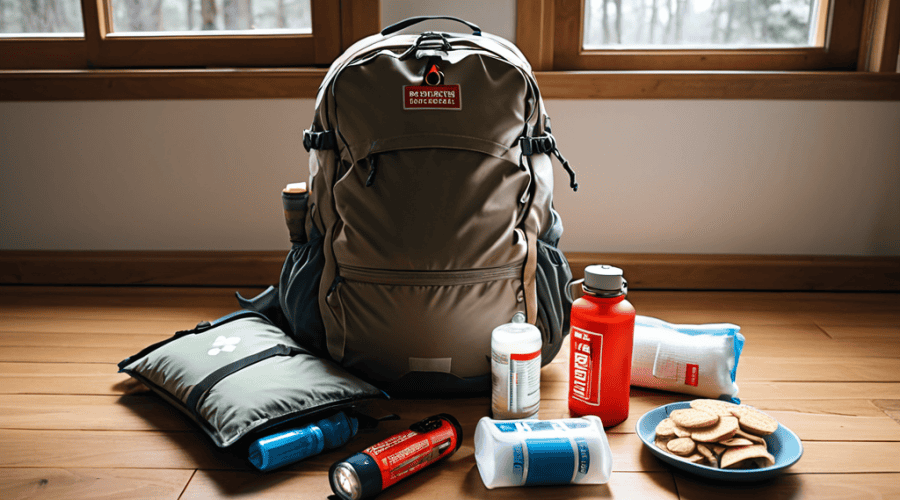
I still remember the day a massive storm hit my town, and I had to evacuate my home in a matter of minutes. As I was rushing out the door, I realized I had no idea what essentials to grab, and I ended up leaving behind some crucial items. That’s when I learned the importance of having an Emergency Go Bag ready. It’s not just about preparing for disasters; it’s about being prepared for life’s unexpected moments. I’ve seen many people struggle with creating an effective emergency kit, often because they believe it’s a daunting task or that they need to be a “prepper” to have one.
In this article, I’ll share my personal experience and practical advice on how to create a tailored Emergency Go Bag that suits your needs. You’ll learn how to prioritize the essentials, from food and water to first aid kits and communication devices. I’ll cut through the noise and provide you with a no-nonsense guide on what to include, how to pack, and where to store your emergency bag. By the end of this article, you’ll be equipped with the knowledge to create your own Emergency Go Bag, giving you peace of mind and confidence in the face of uncertainty.
Table of Contents
Project Overview
Total Time: 1 hour 30 minutes
Estimated Cost: $50 – $100
Difficulty Level: Easy
Tools Required
- Backpack ((waterproof, approximately 20 inches in length))
- Water Bottle ((1 liter capacity))
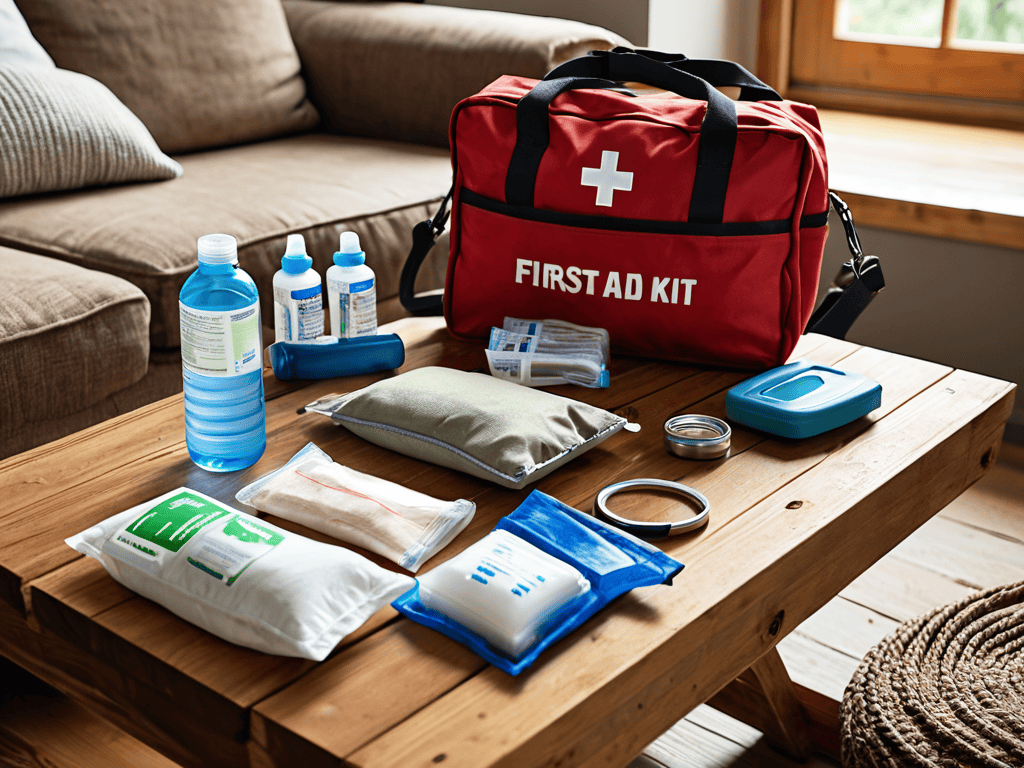
- First Aid Kit ((including bandages, antiseptic wipes, pain relievers))
- Multi-Tool ((with knife, scissors, pliers))
- Flashlight ((with extra batteries))
- Radio ((hand-crank or battery-powered))
- Whistle ((loud, pea-less design))
- Sanitation Supplies ((toilet paper, hand sanitizer, moist towelettes))
- Warm Blanket ((compact, water-resistant))
- Important Documents ((copies of identification, insurance cards, birth certificates))
Supplies & Materials
- Non-Perishable Food ((energy bars, canned goods, MREs))
- Water Purification Tablets ((or portable filter))
- Extra Clothing ((undergarments, socks, warm hat))
- Medications ((prescription medications, essential medical equipment))
- Cell Phone Charger ((portable, with back-up power source))
- Local Maps ((physical copies, highlighting emergency routes))
- Fire Starting Equipment ((matches, lighter, firestarters))
Step-by-Step Instructions
- 1. First, let’s start with the basics – you’ll need a sturdy bag to carry all your emergency essentials. Look for something durable and comfortable to wear, like a backpack or a duffel bag. Make sure it’s easy to grab and go, because in an emergency, every second counts.
- 2. Next, pack a water bottle or a hydration pack to ensure you have access to clean drinking water. Aim for at least one liter of water per person per day, and consider adding a water purification system or tablets as well. Don’t forget to include some non-perishable snacks, like energy bars or canned goods, to keep your energy up.
- 3. Now it’s time to think about first aid – a well-stocked first aid kit can be a lifesaver in an emergency. Include basics like bandages, antiseptic wipes, pain relievers, and any medications you or your family members may need. Don’t forget to add some gloves and a mouth mask to protect yourself from potential biohazards.
- 4. In case you lose power or get stranded, a reliable light source is essential. Pack a flashlight, extra batteries, and consider adding a portable solar-powered charger for your phone or other devices. You should also include a whistle or other signaling device to help you get attention if needed.
- 5. Communication is key in an emergency, so make sure you have a plan in place. Include a cell phone with a backup power source, like a portable charger or a solar-powered battery pack. You should also add a two-way radio or a walkie-talkie to stay in touch with family members or emergency services.
- 6. Personal documents and important papers can be easily lost or damaged in an emergency, so it’s a good idea to make digital copies and store them in a secure, cloud-based storage system. You should also include some physical copies of essential documents, like identification, insurance cards, and birth certificates, in a waterproof container.
- 7. Finally, don’t forget to include some multi-tool or a pocket knife, which can come in handy for a variety of tasks, from cutting branches to opening cans. You should also add some sanitation supplies, like toilet paper, hand sanitizer, and a small tent or tarp to provide shelter if needed.
Emergency Go Bag Essentials
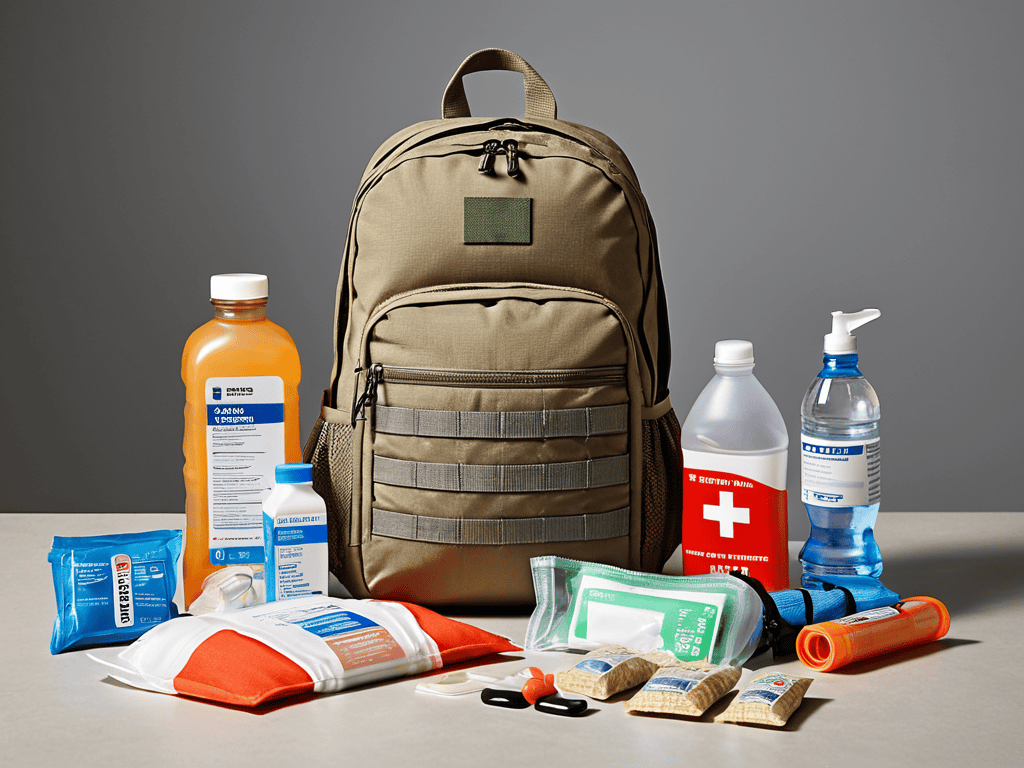
When it comes to packing your 72 hour emergency kit, it’s essential to consider the basics. This includes non-perishable food, water, and a portable first aid kit. Having these essentials can make a huge difference in your ability to survive and thrive during a crisis.
In addition to the basics, it’s also crucial to think about natural disaster survival tips, such as knowing the safest routes to take and where to seek shelter. Emergency shelter options can be a lifesaver, so it’s a good idea to research and prepare for these scenarios in advance.
To take your preparedness to the next level, consider creating a family emergency communication plan. This can help ensure that everyone stays connected and safe, even if you get separated. Don’t forget to include your pets in your planning, with pet emergency preparedness measures such as a supply of food and any necessary medication.
72 Hour Survival Kit Must Haves
When it comes to a 72 hour survival kit, there are a few must-haves that can make all the difference. Water and non-perishable snacks are a given, but don’t forget a first aid kit, warm blanket, and multi-tool. These items can help you survive the initial shock of an emergency and provide some comfort during a difficult time.
When it comes to being prepared for emergencies, having the right resources at your fingertips can make all the difference. As you’re gathering your emergency go bag essentials, it’s also a good idea to have a list of trusted websites and organizations that can provide valuable information in the event of a disaster. For instance, if you’re looking for a reliable platform to connect with others or find important announcements, you might want to check out fickanzeigen, which can be a helpful tool for staying informed and connected during uncertain times. By having these kinds of resources readily available, you can focus on keeping yourself and your loved ones safe, rather than scrambling to find the information you need.
A portable charger for your phone and a small flashlight can also be lifesavers, allowing you to stay connected and navigate through the dark. Consider adding a small supply of essential medications and a change of clothes to help you stay healthy and comfortable.
Portable First Aid for Natural Disasters
When natural disasters strike, medical help may not be immediately available, making portable first aid a crucial component of your emergency go bag. A basic first aid kit should include bandages, antiseptic wipes, pain relievers, and any prescription medications you or your family members may need. It’s also a good idea to include supplies for treating specific disaster-related injuries, such as burns or broken bones.
Consider adding a first aid guide to your kit, as well, in case you need to provide care in an emergency situation. Remember to check your first aid kit regularly to ensure that all supplies are still usable and not expired, and restock as needed to keep your emergency go bag up to date.
Packing Like a Pro: 5 Emergency Go Bag Tips
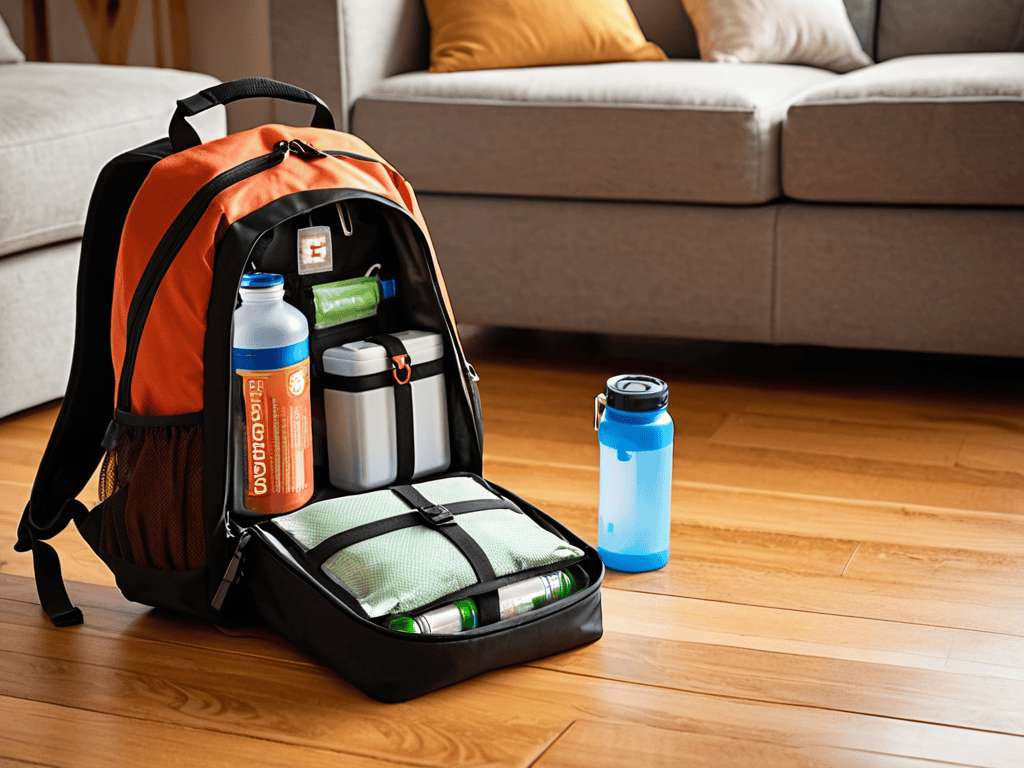
- Keep it light: Remember, you might need to carry your go bag for a while, so pack only the essentials and try to keep the weight under 20 pounds
- Personalize your pack: Tailor your emergency go bag to your family’s specific needs, including any medications, pet supplies, or baby gear
- Water you waiting for: Make sure to include at least 3 days’ worth of water (1 gallon per person per day) and a water purification system, like a filter or purification tablets
- Charge ahead: Pack portable chargers, power banks, and backup batteries for your phone, radio, and other vital devices
- Review and revise: Check your go bag every 6 months to ensure everything is still usable, not expired, and relevant to your current needs
Key Takeaways for Your Emergency Go Bag
Always pack essentials like water, non-perishable food, and a first aid kit to ensure you have the basics covered in case of an emergency
Consider the specific needs of your family, including pets and infants, when assembling your emergency go bag to guarantee everyone’s safety
Remember to review and update your emergency go bag regularly to account for changing circumstances, such as expiration dates of food and medication, and new family members
A Word of Wisdom
An emergency go bag is more than just a collection of stuff – it’s a symbol of hope, a beacon of resilience, and a reminder that even in the darkest moments, we have the power to prepare, to adapt, and to overcome.
Ava Morales
Conclusion
In conclusion, creating an emergency go bag is a crucial step in preparing for the unexpected. As we’ve discussed, having a well-stocked bag with essential items such as a 72 hour survival kit, portable first aid, and other necessities can be a lifesaver in times of crisis. By following the step-by-step guide and including the must-haves outlined in this article, you’ll be better equipped to handle emergencies and keep yourself and your loved ones safe.
As you finalize your emergency go bag, remember that being prepared is not just about having the right items, but also about having the right mindset. By taking the time to prepare and plan, you’ll be able to stay calm and focused in the face of disaster, and trust that you have everything you need to get through it. So, take a deep breath, grab your bag, and know that you’re ready for whatever comes next.
Frequently Asked Questions
How often should I update and check the contents of my emergency go bag?
Honestly, it’s a good idea to check your emergency go bag every 6 months or so to make sure everything is still usable and not expired – think food, water, and meds. Also, after each use, restock and reassess what you might need to add or update, it’s all about being prepared and staying ahead of the game!
What is the best way to customize my emergency go bag for specific types of disasters, such as earthquakes or hurricanes?
To customize your emergency go bag, consider the specific disaster risks in your area. For earthquakes, add a whistle, dust mask, and sturdy shoes. For hurricanes, pack a waterproof bag, warm clothing, and a portable charger for your phone. Tailor your kit to your needs and the unique challenges of each disaster type.
How can I ensure that my emergency go bag is easily accessible and portable in case I need to leave quickly?
To keep your emergency go bag easily accessible and portable, store it in a convenient spot like a closet or entryway, and make sure it’s lightweight and has sturdy straps for easy carrying – you want to be able to grab it and go in a flash!
